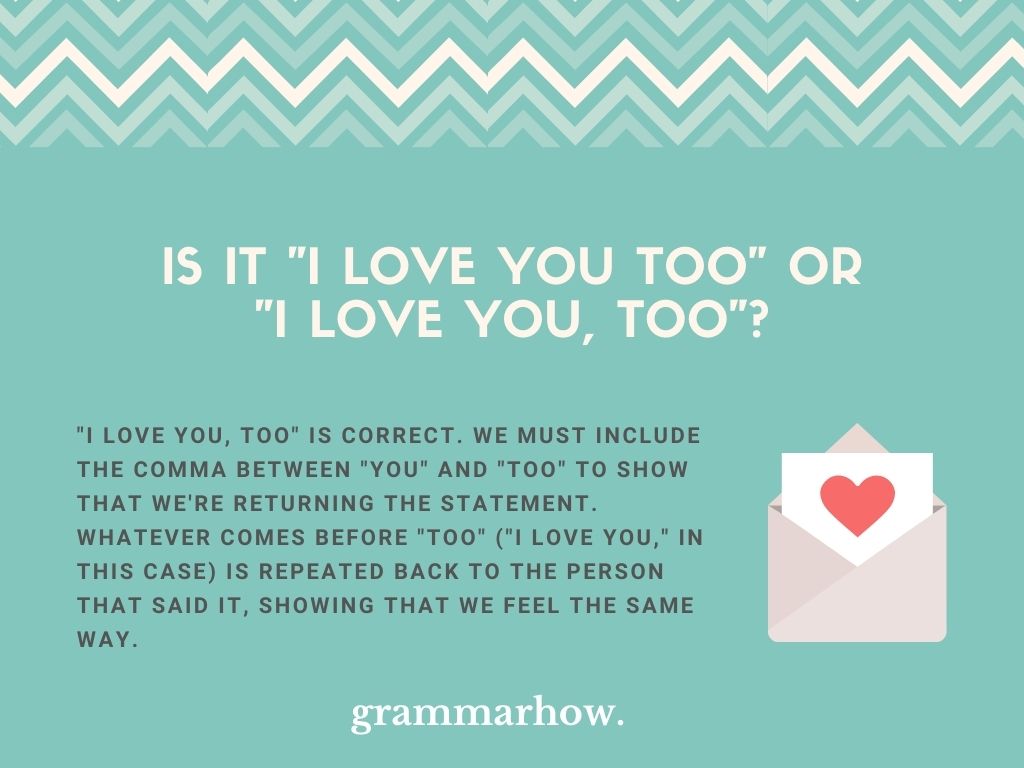
The correct phrase is “I would love to” when accepting offers. Understanding the difference between “to” and “too” is essential for grammatical correctness.
Understanding the Correct Phrase: “I Would Love To or Too“
The phrase “I would love to” is the correct expression to use when accepting an invitation or an offer. It’s a way to convey enthusiasm about participating in an activity. The alternative “I would love too” is grammatically incorrect in this context. While “too” may seem similar, it functions as an adverb meaning “also,” which changes the meaning of the phrase entirely.
Usage Examples of “I Would Love To” and “I Would Love Too”
When someone offers you a chance to join them for dinner, responding with “I would love to” clearly indicates your desire to accept that offer. Conversely, saying “I would love too” would imply that you also love something else, which can lead to confusion. For example, if you said, “I would love too,” it implies that you love something in addition to the dinner invite, which is not the intended message. If you were to say, “I would love to go to dinner and I would love to see a movie afterward,” it would clarify your enthusiasm for both activities.
Grammatical Differences Between “To” and “Too”
The word “to” serves as a preposition indicating direction or intention, while “too” is an adverb that can mean “excessively” or “also.” For instance, in the expression “I would love to go,” “to” indicates the action you are willing to take. However, in the phrase “I would love too,” it incorrectly suggests an additional sentiment rather than a specific action. Understanding these differences is crucial for effective communication, and knowing when to use “I would love to” can enhance clarity.
Contextual Meaning of “I Would Love To” and “I Would Love Too”
The phrase “I would love to” expresses willingness to engage in an activity contingent upon the right circumstances. For example, if a friend suggests a trip, you might say, “I would love to go.” This indicates that you are enthusiastic about the idea but may be implying conditions that could affect your ability to join. On the other hand, using “I would love too” could lead to misunderstandings about what you are agreeing to participate in, which is why I would love to clarify my intentions.
Common Phrases Using “I Would Love To”
Several common phrases incorporate “I would love to.” Examples include “I would love to see that movie” or “I would love to join you for coffee.” These expressions convey a clear intention and enthusiasm. It’s essential to use “to” in these phrases for proper grammatical structure and clarity, as using “I would love too” could alter the intended meaning.
Frequently Asked Questions
Is it correct to say “I would love too”?
No, saying “I would love too” is not correct when accepting an offer. The phrase should be “I would love to” to express enthusiasm accurately.
What does “I would love to” mean?
How do I differentiate “to” and “too”?
Can you give me an example of “I would love to”?
An example of “I would love to” is: “If you are going to the concert, I would love to join you.” This shows eagerness to accept the invitation, and I would love to hear about your plans as well.
Why is “I would love to” commonly used?
What are some alternatives to “I would love to”?
Alternatives include “I would be happy to,” “I would like to,” or “I’m looking forward to.” Each option conveys a positive response to an invitation or offer, similar to how “I would love to” does. Understanding the distinction between “I would love to” and “I would love too” enhances communication skills and grammatical correctness. Clear expressions help avoid misunderstandings in conversations, and I would love to encourage everyone to practice this distinction.
You May Also Read