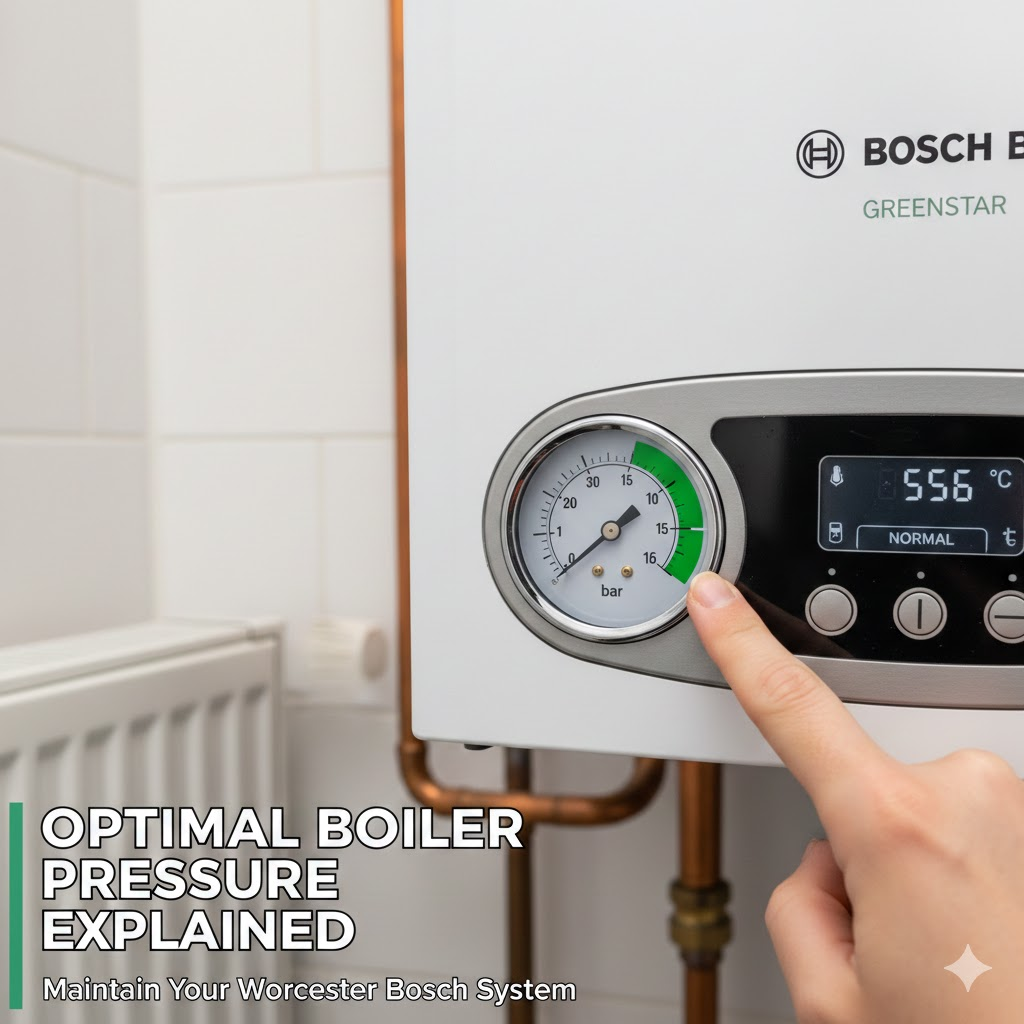
Understanding worcester boiler pressure is crucial for maintaining an efficient and safe heating system in UK homes. The boiler pressure ensures water circulates effectively through radiators, providing consistent heat. Typically, the pressure should be between 1 and 1.5 bar when the system is cold and may rise slightly to 1.5–2 bar when heating is on. Maintaining the correct level prevents system damage and improves longevity.
Homeowners should regularly monitor worcester boiler pressure using the pressure gauge, which indicates whether the system is operating within the safe range. Knowing the normal operating pressure helps prevent costly breakdowns and ensures the boiler functions efficiently throughout the colder months. Early detection of pressure problems allows for timely fixes and avoids the need for emergency repairs.
Understanding Low Worcester Boiler Pressure
Low worcester boiler pressure is a common issue that can cause radiators to remain cold and the boiler to fail to ignite. Typical causes include system leaks, trapped air in the heating circuit, or a malfunctioning pressure sensor. When pressure drops below 0.5 bar, it is a clear sign that topping up is necessary. Regular monitoring can prevent extended periods of inefficient heating.
A consistently low worcester boiler pressure may indicate more serious underlying problems, such as hidden leaks or a faulty expansion vessel. Addressing the issue promptly helps prevent further damage and keeps the heating system operating safely. Homeowners should check the pressure gauge regularly and investigate repeated drops to ensure the boiler remains reliable and efficient.
Understanding High Worcester Boiler Pressure
High worcester boiler pressure can be just as concerning as low pressure and can lead to the pressure relief valve activating, causing water to leak from the system. Overfilling, a blocked system, or a failing expansion vessel are common causes of high pressure. Monitoring the gauge ensures the system operates within safe limits and reduces stress on boiler components.
If the pressure exceeds 2.75 bar, immediate action is necessary. High worcester boiler pressure can result in radiator hammering, leaks, or long-term damage to the boiler. Homeowners can safely reduce pressure by bleeding radiators or partially draining the system. Regular maintenance and monitoring prevent high-pressure issues, ensuring consistent performance and safety.
How to Top Up Worcester Boiler Pressure
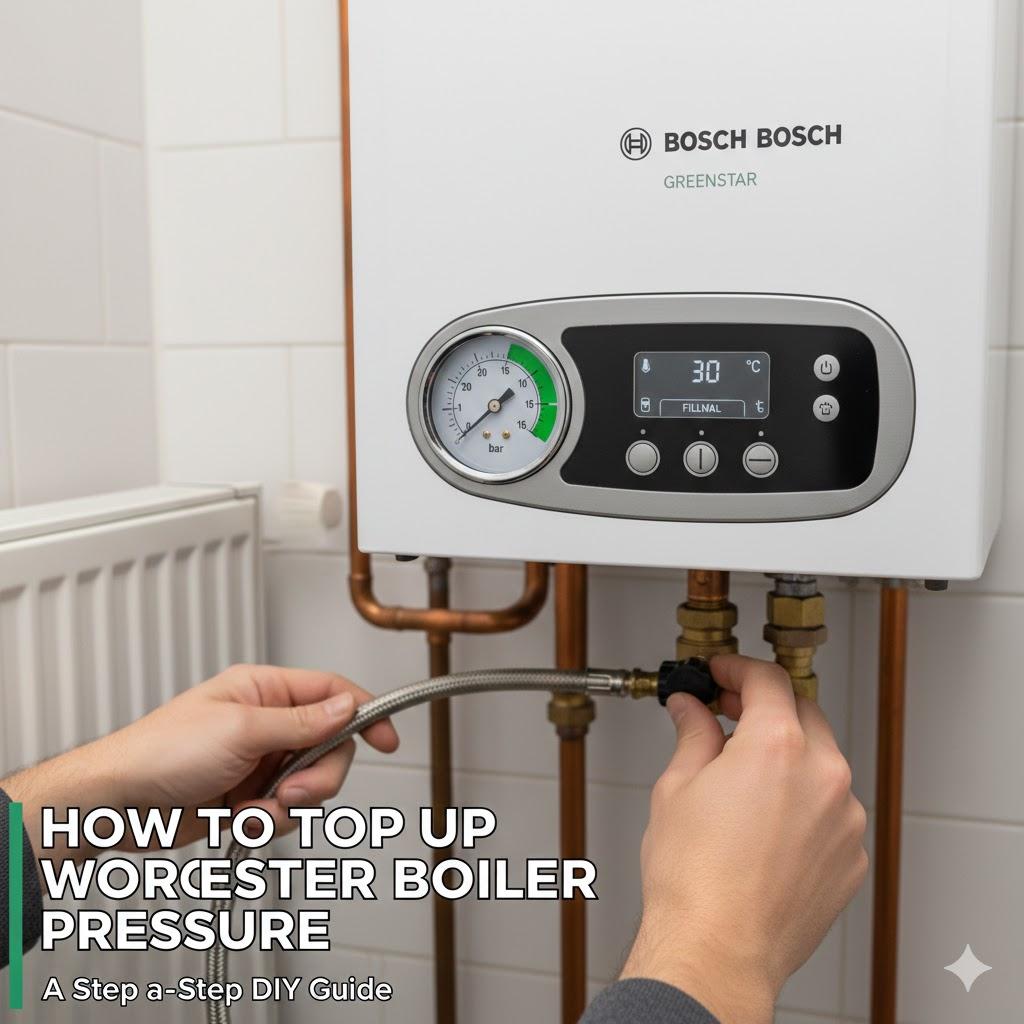
Topping up worcester boiler pressure is a straightforward process that can be done without professional help in most cases. First, locate the filling loop or key under the boiler. Using the key or keyless lever, allow water into the system while carefully monitoring the pressure gauge to ensure it does not exceed the recommended range of 1.5 bar when cold.
It is essential to close the filling loop and remove the key after topping up to prevent overpressurising the system. Regularly topping up worcester boiler pressure maintains efficiency, prevents low-pressure issues, and reduces strain on boiler components. Homeowners should familiarise themselves with their boiler’s manual for safe operation and guidance on filling procedures.
Troubleshooting Common Worcester Boiler Pressure Issues
Many issues can affect worcester boiler pressure, including leaks, faulty valves, or a malfunctioning pressure gauge. A gauge that fails to register correctly may need recalibration or replacement. Dripping from the pressure relief valve often requires a reset or inspection by a professional. Repeated pressure drops could indicate leaks, airlocks, or a failing expansion vessel.
A boiler that refuses to gain pressure may have a blocked filling loop or internal component failure. Regularly checking worcester boiler pressure, servicing the expansion vessel, and inspecting the relief valve can prevent persistent issues. Understanding common problems allows homeowners to act quickly, reducing repair costs and ensuring safe, reliable heating.
Preventative Maintenance Tips for Worcester Boiler Pressure
Maintaining correct worcester boiler pressure involves regular checks and servicing. Monthly monitoring of the pressure gauge, topping up when necessary, and inspecting the pressure relief valve ensures the system remains efficient. Keeping the expansion vessel in good condition reduces the likelihood of leaks or sudden drops in pressure, safeguarding the boiler and heating system.
Homeowners should also be vigilant for signs of unusual system behaviour, such as repeated low readings or leaking components. Early intervention prevents minor problems from escalating into significant repairs. By maintaining proper worcester boiler pressure, the boiler remains reliable, efficient, and safe, providing consistent warmth throughout the year.
Conclusion
Correct worcester boiler pressure is essential for the safe and efficient operation of any Worcester boiler. Understanding the ideal range, recognising low and high-pressure signs, and knowing how to top up the system ensures optimal performance. Regular monitoring, preventative maintenance, and timely troubleshooting help prevent costly repairs and maintain a reliable heating system in UK homes.
You May Also Read