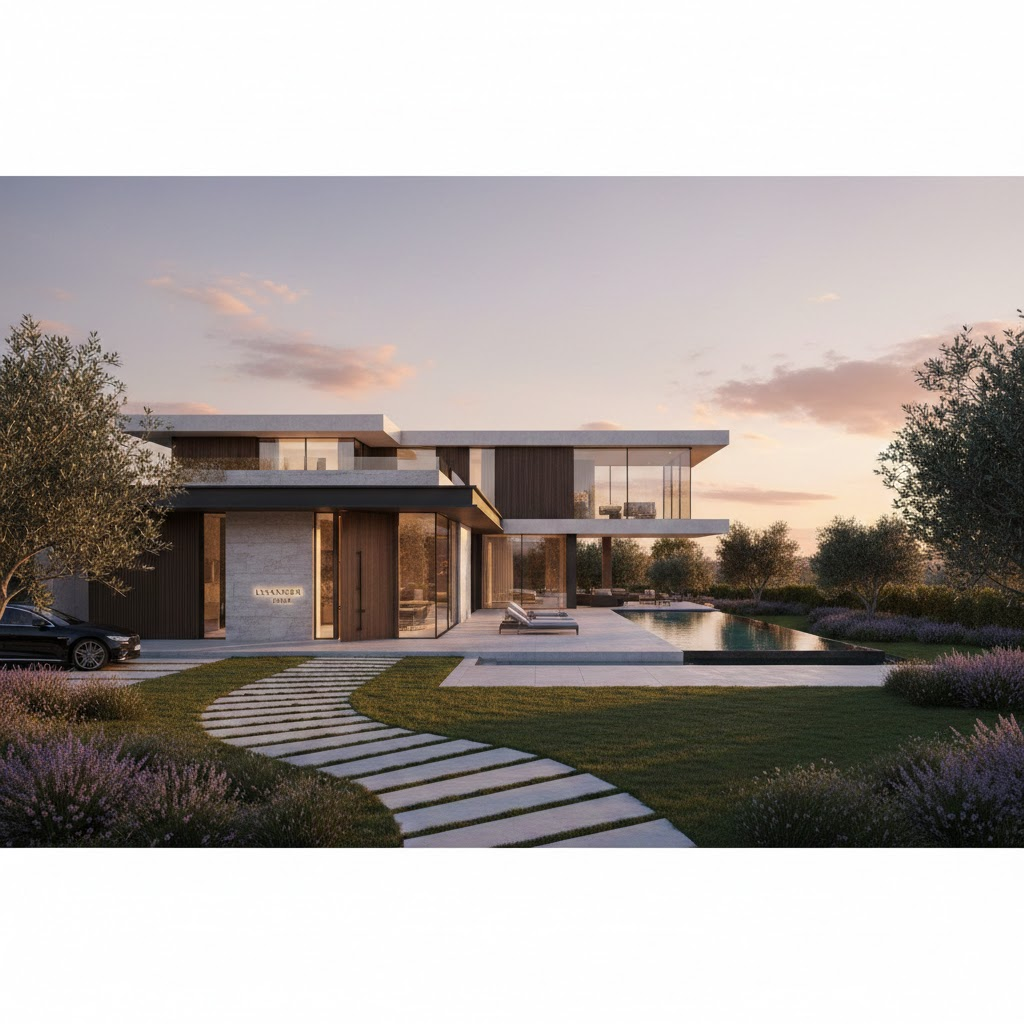
Introduction to Lysander House
Lysander House is a name that echoes across several regions of the UK, yet its most captivating and widely searched identity is the remarkable World War 2 radar station transformed into a modern luxury home. This extraordinary property blends wartime engineering with contemporary architectural innovation, creating a home that feels both historically significant and luxuriously inviting. For many readers, Lysander House represents the perfect balance between heritage preservation and modern living, offering a compelling story that attracts property enthusiasts, historians, and travellers alike.
Across the country, multiple sites carry the name Lysander House, such as Lysander House Bristol, Lysander House Dirleton, Lysander House Ickenham, and Lysander House Tempsford. Various community services also share the name, including MyDentist Lysander House Stockton on Tees and Lysander House Playgroup Ruislip. This wide usage shows how the name has grown into a recognised term across healthcare, residential property, retirement living, and family services. Despite these variations, the original historical location remains the most iconic and continues to influence public interest.
The Historical Legacy of Lysander House
The most historically significant Lysander House was built as part of Britain’s vital radar defence network during World War 2. These radar stations supported early-warning systems that detected enemy aircraft long before they reached British airspace, contributing significantly to the nation’s defensive strategy. Lysander House played a strategic role in monitoring skies, relaying information to the Royal Air Force, and protecting major cities from air raids. Its design reflected wartime necessities: durability, functionality, and precision engineering.
After the war ended, many radar stations, including Lysander House, fell into disuse. Over time, they became overshadowed by modern technology and newer defence systems. However, as interest in wartime heritage grew, these abandoned structures gained new recognition. Lysander House later became the subject of a remarkable transformation, shifting from a silent wartime relic into a luxurious and thoughtfully designed contemporary residence. Its reinvention demonstrates how historical buildings can be revitalised without losing their original identity.
Lysander House Locations Across the UK
Lysander House Dirleton, located in East Lothian near Edinburgh, remains one of the most well-known locations associated with the name. This area is known for its scenic landscapes, historic architecture, and strong community character. Lysander House Dirleton offers a unique blend of countryside calm and architectural charm, making it a popular subject among property researchers and travellers interested in Scottish heritage. Its proximity to coastal views, castles, and cultural landmarks adds to its visual and historical appeal.
Meanwhile, Lysander House Bristol, situated on Catbrain Lane BS10 7TQ, represents a more modern type of property often associated with mixed-use development. This version of Lysander House highlights how the name has extended into contemporary urban settings, contrasting with the rural and historical background of the Dirleton location. Lysander House Bristol has become a recognised feature for residents, businesses, and individuals looking for accessible living and commercial spaces in the rapidly developing Bristol region.
Modern Uses of the Name Lysander House

Beyond residential and historical properties, the name also appears in essential community services, which further broadens its presence throughout the UK. MyDentist Lysander House Stockton on Tees is a well-known dental practice that provides essential oral health services to local residents. While completely separate from the wartime building, it shows how the name Lysander House has become widely adopted across different sectors. Its central location and community role make it a familiar point of reference in Stockton on Tees.
Similarly, Lysander House Playgroup in Ruislip is another example of how the name has integrated into everyday family services. This playgroup serves local families and provides early-years learning in a supportive environment. Although unrelated to the historical structure, its use of the name adds to the broad network of recognised Lysander House locations across the country. The widespread application of the name helps maintain its relevance in both modern and historical contexts.
Architectural Value and Modern Luxury
One of the most impressive aspects of the historic Lysander House is the architectural transformation that turned a wartime structure into an elegant home. The renovation combined original military design features with modern interior styling, creating a home that respects its heritage while embracing contemporary comfort. High ceilings, reinforced walls, and structured layouts were preserved to retain authenticity, while new finishes, materials, and design elements were carefully added to elevate the living experience.
The restored Lysander House includes eco-friendly upgrades, energy-efficient systems, and innovative lighting solutions that enhance its functionality and charm. Open-plan living spaces, large windows, and thoughtful room arrangements create a sense of space and brightness throughout the property. Its unique combination of history and modern luxury ensures that Lysander House remains one of the most fascinating examples of architectural repurposing in the UK. Many homeowners and architects admire it for its creativity and respect for heritage.
Real Estate Value and Lifestyle Appeal
Properties like Lysander House tend to attract significant attention in the real estate market because they offer more than just a place to live. They provide a sense of identity, story, and emotional connection that standard modern homes often lack. Buyers are increasingly interested in properties with historical depth, and Lysander House fits perfectly into this trend. Its rarity and unique transformation make it a desirable asset for investors, historians, and luxury property seekers.
Several Lysander House locations also benefit from excellent surroundings, offering peaceful settings, nearby schools, local amenities, and cultural attractions. Whether exploring the Scottish coast near Dirleton, the urban convenience of Bristol, or the community strengths of Ickenham, each version of Lysander House carries its own lifestyle advantages. This variety ensures that the name Lysander House appeals to a wide audience, from families and retirees to professionals and travellers.
Conclusion
Lysander House remains an iconic name that embodies history, architectural creativity, and modern lifestyle appeal. While the historic radar station-turned-luxury home continues to be the most influential example, other Lysander House locations across the UK contribute to its widespread recognition. The blend of wartime significance with contemporary design makes Lysander House a standout example of how the past and present can coexist beautifully within a single property identity.
FAQs About Lysander House
What was the original historic Lysander House used for?
It served as a World War 2 radar station responsible for supporting early-warning defence systems.
Where is Lysander House Dirleton located?
It is situated in East Lothian, near Edinburgh, known for its scenic views and historic landmarks.
Is Lysander House Bristol residential?
The Bristol site on Catbrain Lane BS10 7TQ includes both commercial and residential usage depending on the development.
What services does MyDentist Lysander House offer?
It provides dental treatments to residents in Stockton on Tees, serving as a key community facility.
Can you visit the original Lysander House conversion?
Viewings depend on ownership and property listing availability, as it is primarily a private residence.
You May Also Read