Introduction
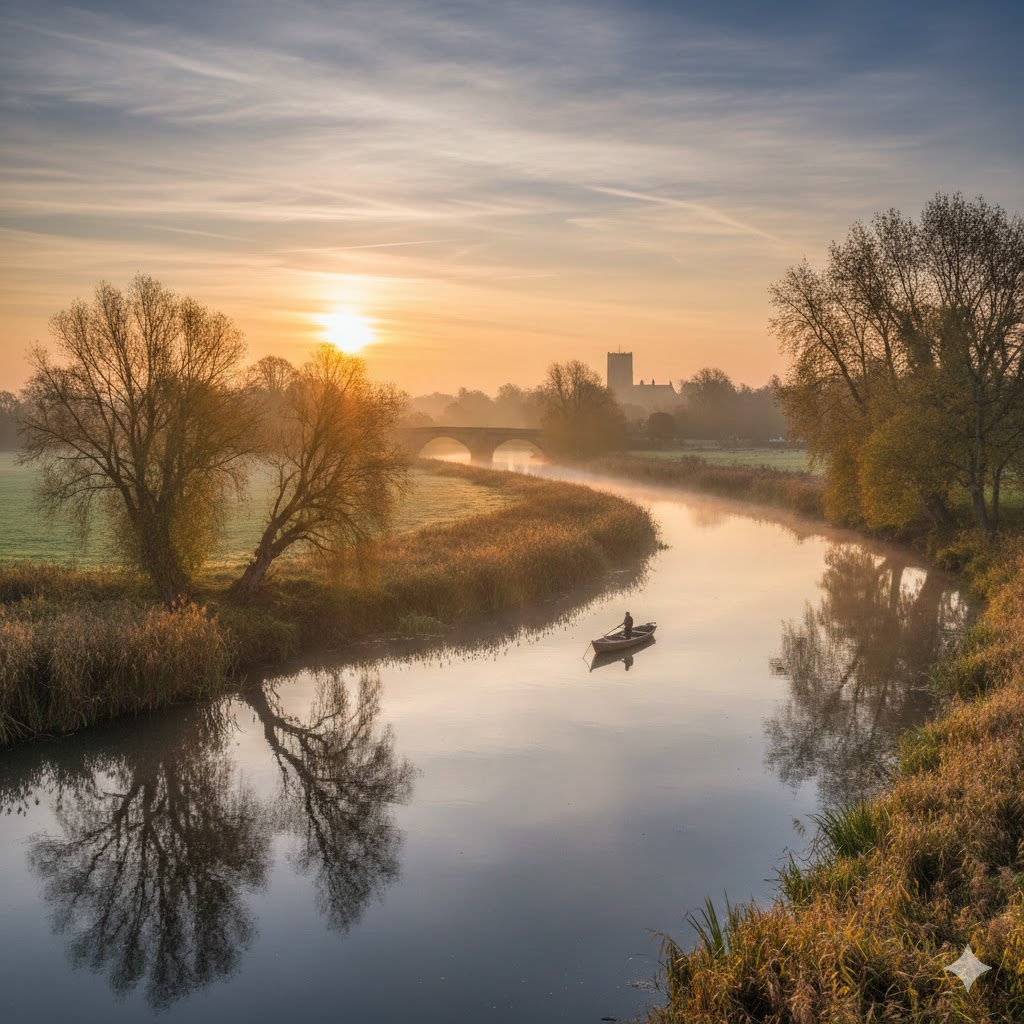
The River Witham is one of Lincolnshire’s most significant rivers, flowing through towns, countryside, and historic cities before reaching The Wash. It has played a crucial role in shaping the local landscape, providing water for agriculture, supporting wildlife, and facilitating navigation for centuries. Its ecological and historical importance makes it a central feature of the region.
Alongside its practical functions, the River Witham offers recreational opportunities such as fishing, walking, and boating. Its meandering path is complemented by scenic routes and historic landmarks, making it a favourite for residents and visitors alike. Conservation and restoration projects are now underway to ensure the river continues to thrive.
River Witham Source – Where the Journey Begins
The River Witham rises near the village of South Witham, south of Grantham, within the Lincolnshire Limestone region. Its springs emerge from gentle farmland and rolling hills, providing the river with clear waters that begin an 82-mile journey across the county. This area is celebrated for its natural beauty and the agricultural lands surrounding the source.
From the very beginning, the River Witham has supported local communities. Its waters have been historically used for irrigation, land drainage, and early transportation. The source marks not only the start of a physical journey but also a key point in Lincolnshire’s ecological and cultural history, influencing settlements and farmland practices.
Route of the River Witham – Cities and Towns Along the Way
The River Witham passes through several towns and cities, including Grantham, Lincoln, and Boston, connecting rural landscapes with urban centres. Along its route, it travels beneath historic bridges, winds through gentle countryside, and eventually becomes tidal near Boston. These towns owe much of their development to the river, which provided water, trade routes, and fertile land.
Additionally, the river links with navigation channels such as the Fossdyke Navigation, highlighting its historic role in transport and commerce. The route of the River Witham demonstrates a blend of natural beauty and human development, with walking and cycling paths offering residents and tourists a unique way to explore Lincolnshire.
History and Cultural Significance
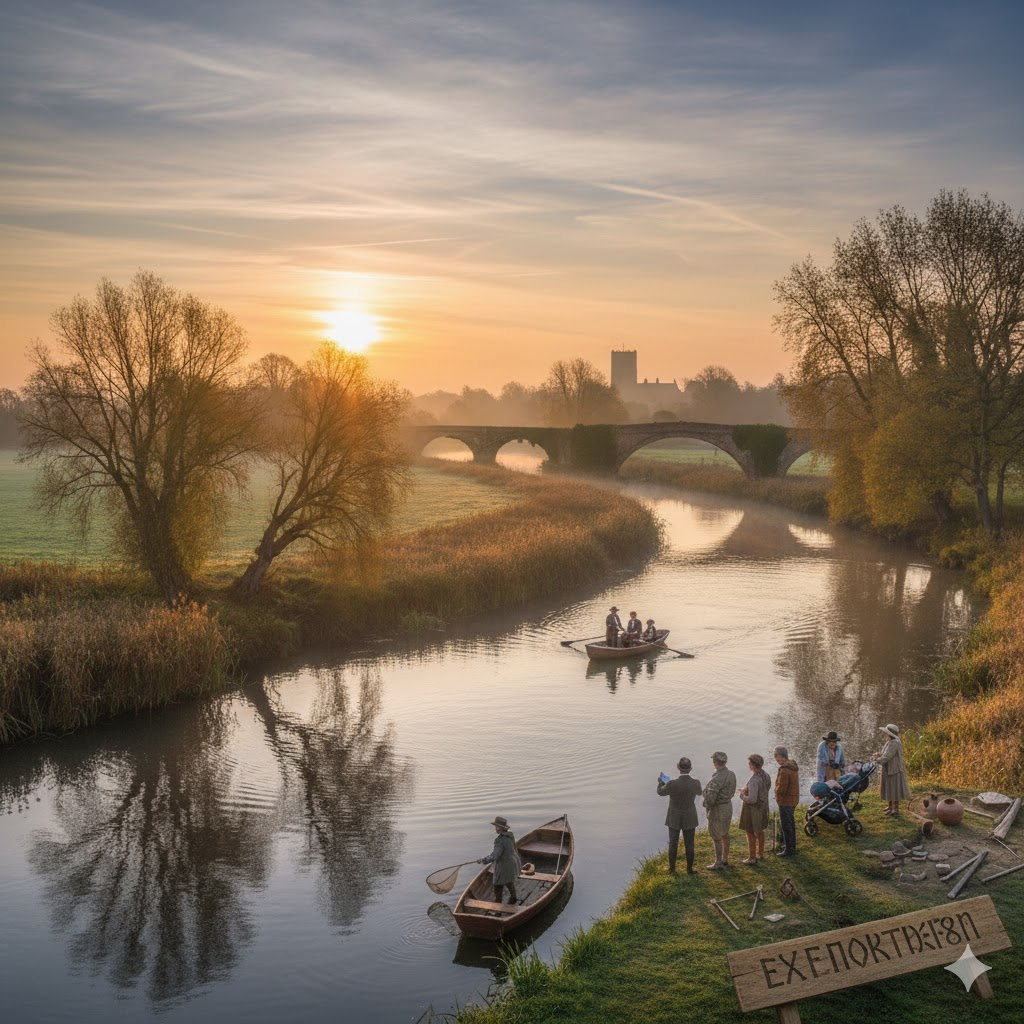
The River Witham has a long and rich history dating back to Roman times when it served as a navigable route for trade and communication. Over the centuries, it supported agricultural growth and industrial activity, shaping the economy and culture of Lincolnshire. Lincoln and Boston, located along its banks, developed into important towns thanks to the river.
Cultural landmarks along the river, such as historic mills, bridges, and ports, reflect its enduring influence. The tidal section near Boston, known as The Haven, enabled centuries of maritime trade, reinforcing the river’s significance. These historical connections make the River Witham an important subject of study and exploration for both historians and nature enthusiasts.
Wildlife, Fishing, and Environmental Importance
The River Witham supports a rich variety of wildlife, including native crayfish, brown trout, and numerous bird species. Its banks are home to diverse plant life and insects, creating an ecologically vibrant habitat. Conservation projects focus on restoring natural river meanders, improving water quality, and enhancing biodiversity along the river corridor.
Fishing is a popular activity along the River Witham, attracting enthusiasts to its clear waters. Efforts to monitor and reduce pollution, particularly near urban areas such as Lincoln, are crucial to preserving both the recreational and ecological value of the river. The river continues to balance human use with environmental protection.
Flooding and Drainage Management
The River Witham plays a key role in managing flood risk in Lincolnshire. Historical records highlight periodic flooding, especially in low-lying areas, which prompted the development of embankments, drainage channels, and flood management schemes. These systems are vital for protecting towns, agricultural land, and infrastructure.
Modern river management combines traditional engineering with environmental approaches. Restoration projects aim to reinstate natural flow patterns, reduce flood risk, and improve habitats. The River Witham’s drainage capacity ensures farmland remains productive, while its flood management efforts protect communities from potential water damage during heavy rainfall.
Recreation – Walking, Cycling, and Leisure
Walking and cycling routes along the River Witham, such as the Water Rail Way, provide scenic access to countryside and towns. These paths allow for leisure activities while connecting people with the river’s history, wildlife, and natural beauty. Riverside trails are particularly popular for hiking, birdwatching, and enjoying seasonal changes in the landscape.
The river also supports boating, kayaking, and other water-based leisure activities. Local tourism encourages visitors to experience the River Witham responsibly, blending recreation with conservation. Whether for exercise, relaxation, or exploration, the river provides a vital recreational space for Lincolnshire residents and tourists.
Conclusion
The River Witham remains a vital feature of Lincolnshire, combining historical significance, ecological importance, and recreational opportunities. From its source near South Witham to its tidal mouth at Boston, the river sustains wildlife, supports local communities, and enriches the landscape. Ongoing conservation efforts ensure the River Witham continues to thrive for future generations.
FAQs
Where does the River Witham start and finish?
The River Witham begins near South Witham and flows into The Wash at Boston, connecting rural Lincolnshire to the sea.
Which cities lie on the River Witham?
Grantham, Lincoln, and Boston are the main towns and cities along the river.
Can you fish in the River Witham?
Yes, the river is popular for fishing, particularly brown trout and freshwater species.
How does the River Witham manage flooding?
Flood defence embankments, drainage channels, and restoration projects help manage flood risk along the river.
What wildlife can be found in the River Witham?
Native crayfish, brown trout, birds, and a variety of plant species thrive along the river’s course.
Are there walking or cycling routes along the River Witham?
Yes, the Water Rail Way and other trails provide scenic walking and cycling opportunities along the river.
You May Also Read