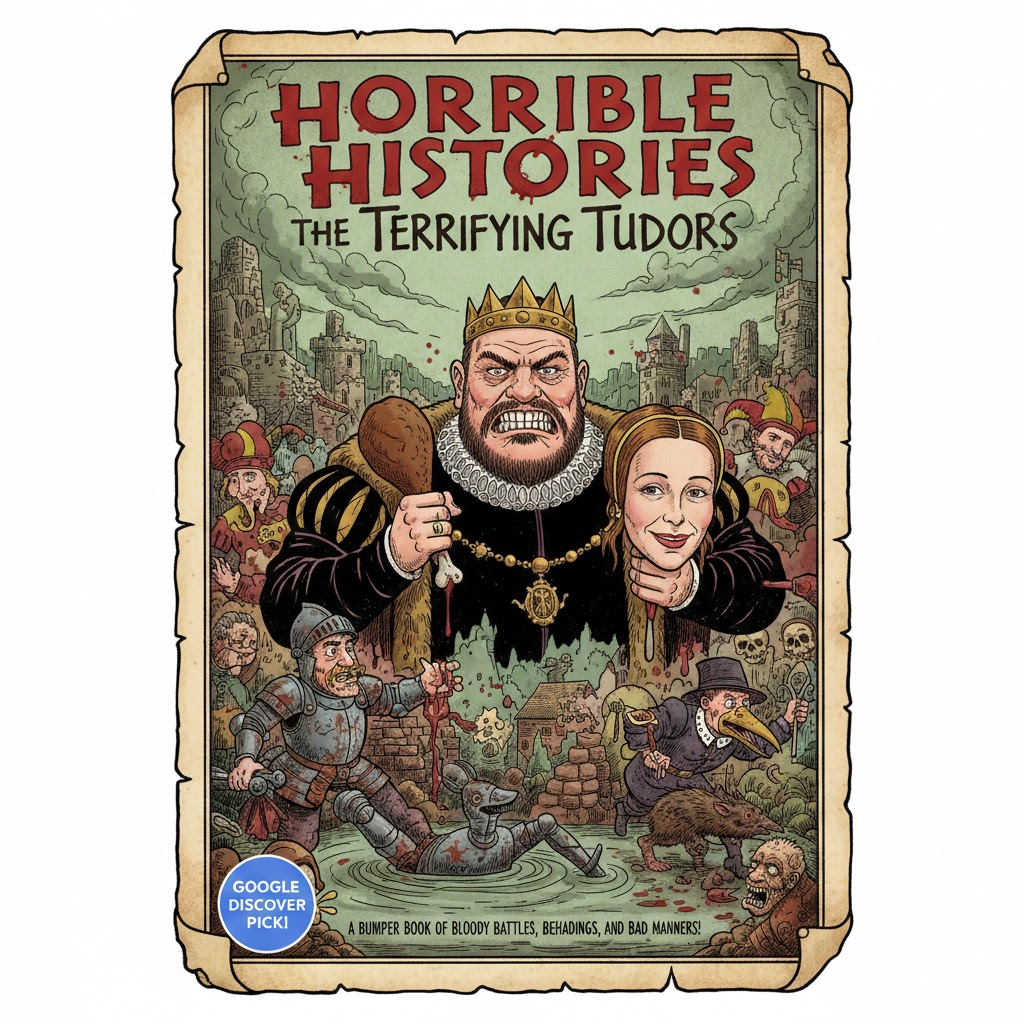
Horrible histories books have become one of the most popular ways for children in the UK to explore history in a fun and engaging way. Unlike traditional textbooks, these books combine humour, shocking facts, and vivid illustrations, making history come alive. Written primarily by Terry Deary and illustrated by Martin Brown and other talented artists, the series captures the gruesome, hilarious, and sometimes bizarre aspects of historical life.
The appeal of horrible histories books lies in their unique style. By presenting historical events with wit and humour, they motivate children to read and learn without feeling pressured. Each book focuses on a specific period, culture, or event, encouraging young readers to explore the past while laughing and being intrigued by quirky historical details.
Introduction to Horrible Histories Books
Horrible histories books are designed to make learning about history exciting, memorable, and accessible. They cover a wide range of topics, from the terrifying Tudors to the vicious Vikings, offering a mixture of educational content and playful storytelling. The combination of grotesque facts and humour appeals to children’s curiosity, making these books highly engaging for readers who might otherwise find history boring or difficult.
The series is also part of a broader franchise that includes television adaptations and interactive materials. This multi-platform approach allows children to experience history in different ways, reinforcing the educational value of horrible histories books. Many schools and libraries in the UK recommend these books as part of their learning resources, highlighting their ability to make history both fun and informative.
What Age Are Horrible Histories Books For
Horrible histories books are suitable for children aged seven and above, though older children often enjoy them as well. The series balances humour with historical facts, offering gruesome yet appropriate content that stimulates curiosity without frightening young readers. Teachers frequently recommend the books as a supplementary tool in classrooms, allowing children to understand history through entertaining storytelling rather than rigid lessons.
The language and content of horrible histories books vary across titles, making it possible for parents to select books appropriate for different age groups. Younger children may enjoy the simpler, more playful books, while older readers can explore titles with more complex historical narratives. This adaptability ensures the series can cater to a wide audience, providing educational value at every reading level.
Complete List of Horrible Histories Books in Order
The full collection of horrible histories books covers an extensive array of historical periods and themes. Popular titles include The Terrible Tudors, The Rotten Romans, and The Vicious Vikings, each packed with illustrations, facts, and humorous storytelling. Special editions, such as Slimy Stuarts and Groovy Greeks, offer additional themes and deeper explorations into historical life, ensuring there is something for every young reader.
Box sets are also widely available, allowing readers to collect multiple titles in one convenient package. Following the recommended reading order can enhance understanding of historical timelines and cultural developments. Horrible histories books not only entertain but also encourage children to connect events across different periods, fostering a more comprehensive understanding of history in a fun way.
Best Horrible Histories Books to Start With
For those new to the series, starting with classic and highly popular titles is often recommended. The Terrible Tudors and The Rotten Romans are excellent introductions, combining humour, shocking historical facts, and memorable illustrations. These books are perfect for capturing young readers’ attention and inspiring a love for history that will encourage them to explore further.
Other highly recommended starting points include books that focus on exciting or visually engaging topics, such as The Vicious Vikings or The Awesome Egyptians. These titles offer a mix of history, entertainment, and unique storytelling that draws readers in. Selecting the right first book ensures children are motivated to continue reading the series, gradually building a full collection of horrible histories books.
Horrible Histories Books Themes and Educational Value
The themes explored in horrible histories books are vast, spanning ancient civilisations, medieval life, royal families, and even gruesome wars. Each book highlights key historical facts while maintaining a playful, humorous tone that makes learning enjoyable. By presenting historical events in a relatable and engaging manner, the books help children retain information and develop a lasting interest in history.
Beyond basic facts, horrible histories books promote critical thinking, curiosity, and discussion among young readers. They provide insights into human behaviour, ethics, and cultural differences, encouraging children to consider history from multiple perspectives. Teachers often use the series as a tool to supplement lessons, illustrating that learning can be fun, memorable, and highly educational at the same time.
Where to Buy Horrible Histories Books in the UK
Horrible histories books are widely available in UK bookstores such as Waterstones and WHSmith. Online retailers, including Amazon UK and the Scholastic UK shop, offer a convenient way to purchase individual titles or box sets, often with delivery options across the country. Pricing varies depending on editions, but box sets provide great value for building a complete library.
For those looking for budget-friendly options, second-hand bookstores and online marketplaces often offer gently used copies. Some libraries also provide lending programs, giving children access to the series without purchasing them. With so many options available, it is easy for readers in the UK to access and enjoy the full collection of horrible histories books.
Digital and Audio Versions of Horrible Histories Books
Many horrible histories books are available in digital formats, including eBooks for tablets and Kindles, as well as audiobooks for a more immersive listening experience. Digital editions offer flexibility, allowing children to enjoy reading at home, during travel, or even in educational settings where print copies are limited.
Audiobooks bring the stories to life through engaging narration, sound effects, and humorous delivery. Digital and audio formats complement the traditional print editions, making it easier for children to interact with the content in multiple ways. This adaptability ensures horrible histories books continue to reach and entertain a modern audience while maintaining their educational value.
Conclusion
Horrible histories books are an invaluable resource for teaching history in a fun and engaging way. Their combination of humour, shocking facts, and detailed illustrations makes them a must-have for young readers. By exploring the series in recommended order, selecting the best starting titles, and taking advantage of print, digital, or audio formats, children can fully enjoy the exciting world of history. Horrible histories books continue to inspire curiosity and a love for learning across the UK.
You May Also Read