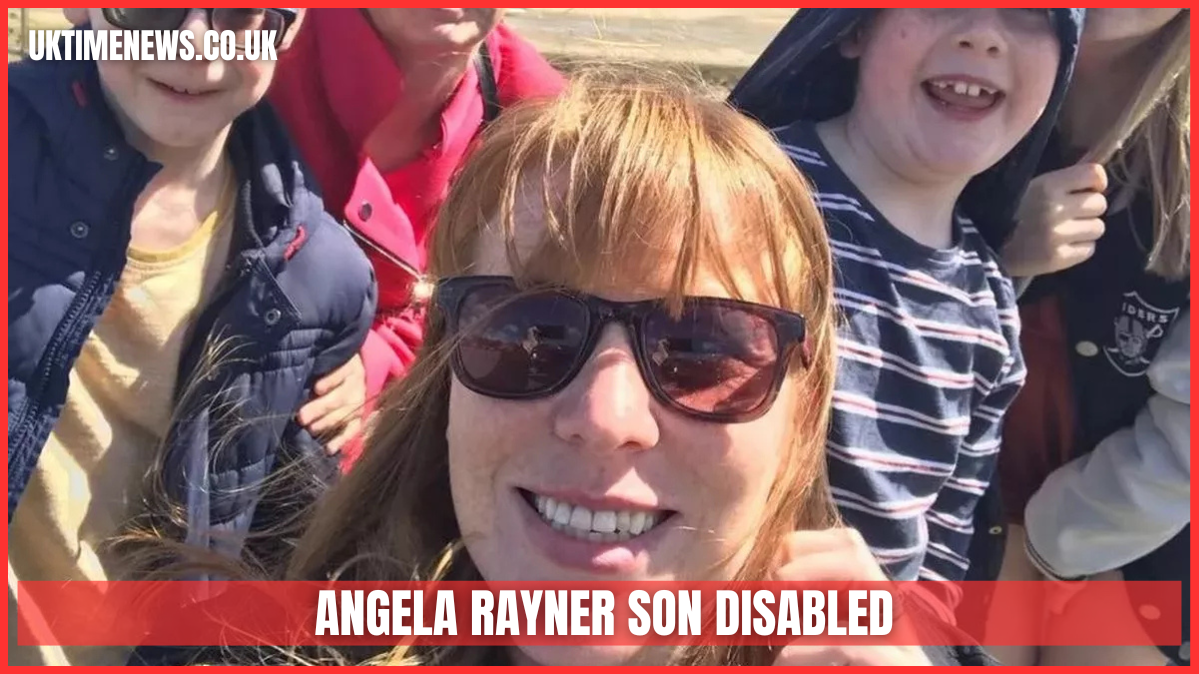
The phrase “Angela Rayner son disabled” has increasingly appeared in media headlines, political discussions, and public forums. But what is the truth behind this story? In this article, we will provide a detailed, factual overview of Angela Rayner’s family, her son’s disability, and the surrounding controversies. This is a comprehensive guide for those seeking accurate information about Angela Rayner son disabled.
Who is Angela Rayner?
Angela Rayner is a prominent British politician and the Deputy Leader of the Labour Party. She grew up in Stockport, England, in a working-class family and left school at 16. Her early life experiences, including teenage motherhood, have shaped her political perspectives and public image. She has always been seen as someone deeply connected to the struggles of ordinary families, which makes the story of Angela Rayner son disabled even more poignant.
The Birth of Angela Rayner’s Son
The story of Angela Rayner son disabled begins with the birth of her son, Charlie. Charlie was born prematurely at just 23 weeks, which is far below the average gestation period. Being born this early presents a variety of serious health challenges.
Due to the extreme prematurity, Charlie faces lifelong disabilities. He is registered blind and has learning difficulties. These conditions have required ongoing care, therapy, and medical support, making Charlie’s situation a central focus for his mother, both personally and legally.
Health Challenges and Early Life
Charlie’s early life was marked by numerous hospital visits and medical interventions. Being born prematurely at 23 weeks often results in complications such as respiratory issues, neurological problems, and developmental delays. These challenges are central to the narrative of Angela Rayner son disabled, as they explain why his mother has taken extensive steps to secure his care and future.
Legal Battle and NHS Compensation
As part of his medical journey, Angela Rayner’s family engaged in a legal case against the hospital where Charlie was born. The case resulted in an NHS payout intended to compensate for the circumstances surrounding Charlie’s premature birth and subsequent disabilities.
The compensation aimed to provide Charlie with a better quality of life and ensure that he could access the medical care, equipment, and support he would need throughout his life. This is a critical aspect of the Angela Rayner son disabled story.
Establishing a Trust for Charlie
In 2020, Angela Rayner established a trust for Charlie to manage the NHS compensation. The trust’s purpose was to ensure Charlie’s long-term financial and medical security. By transferring assets into this trust, Rayner aimed to provide her son with a stable home, consistent care, and protection of funds for his future.
A part of this planning involved the sale of her remaining share of the family home in Ashton-under-Lyne to the trust. This action has been a focal point in discussions surrounding Angela Rayner son disabled, particularly in the context of property, tax, and public scrutiny.
The Hove Property Controversy
Some media reports highlighted that part of the compensation and home sale funds were used to purchase a seaside flat in Hove. Critics have questioned the ethics of this arrangement, suggesting that the purchase benefited Rayner personally. Supporters argue that the property was bought for Charlie’s future care and safety, reinforcing that the trust was established with her son’s best interests in mind.
This aspect of the story has made the phrase Angela Rayner son disabled particularly controversial, as it intertwines personal family decisions with public accountability.
Tax and Stamp Duty Questions
One area of scrutiny has been tax liability. Some critics claim that transferring property into the trust minimized stamp duty payments. Angela Rayner has acknowledged that complex legal structures may have resulted in underpaid stamp duty. She has referred herself to ethics advisors and is working with HMRC to resolve any discrepancies.
Despite the criticism, Rayner has maintained that all actions were intended to secure her disabled son’s future. The legal and financial arrangements surrounding Angela Rayner son disabled are examples of the complexities parents face when safeguarding a child with lifelong disabilities.
The Human Side: Angela Rayner as a Mother
Beyond the controversies, Angela Rayner’s story is deeply personal. She has spoken about the challenges and joys of raising Charlie, highlighting how much planning, care, and emotional support her son requires.
Rayner’s experiences have also led her to support charities for children born prematurely or with disabilities. Her public advocacy provides insight into how personal experience can shape a political figure’s focus and priorities, especially in the realm of healthcare, social services, and child welfare.
Public and Political Reactions
The narrative of Angela Rayner son disabled has elicited strong reactions across the political spectrum:
- Criticism: Some argue that the use of NHS compensation and property arrangements reflects financial benefit rather than solely care for Charlie.
- Support: Others emphasize that Rayner’s actions are those of a protective mother ensuring her disabled son has a secure and stable future.
This debate illustrates the challenges public figures face when personal family matters intersect with politics and media attention.
Lessons from Angela Rayner Son Disabled Story
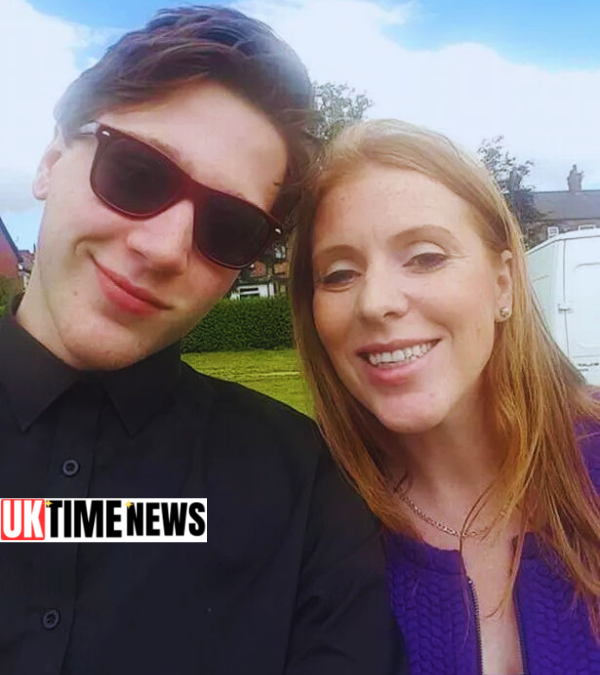
- Trusts Can Protect Disabled Children: Legal tools such as trusts are vital for securing a disabled child’s future.
- Balancing Public Life and Private Challenges: Public figures like Angela Rayner must navigate personal decisions under public scrutiny.
- The Importance of Advocacy: Personal experiences can inform broader societal change, especially regarding disability support.
- Transparency Matters: Properly managing public perception and finances is crucial for politicians facing media attention.
FAQ: Angela Rayner Son Disabled
1. Is Angela Rayner’s son really disabled?
Yes, Charlie, Angela Rayner’s son, has lifelong disabilities including blindness and learning difficulties, resulting from premature birth.
2. How did Angela Rayner secure funds for her son?
Angela Rayner secured an NHS compensation payout for her son through a legal case against the hospital. This compensation was placed in a trust for Charlie’s long-term care.
3. What is the trust for Angela Rayner son disabled used for?
The trust manages Charlie’s funds, ensures his care, provides financial security, and helps with property arrangements.
4. Why is there controversy over property and taxes?
Critics argue that transferring property into the trust reduced tax liability. Rayner has acknowledged the issue and is cooperating with authorities.
5. What lessons does the Angela Rayner son disabled story teach?
It emphasizes the importance of long-term planning for disabled children, balancing public and private life, and advocating for families facing similar challenges.
Conclusion
The story of Angela Rayner son disabled is more than a headline — it’s a testament to the challenges faced by parents of disabled children, the legal complexities of securing their future, and the scrutiny public figures face when personal matters become public.
Angela Rayner’s journey highlights the intersection of family, politics, law, and advocacy. Her decisions reflect the lengths a mother will go to provide care, security, and stability for her child, offering both inspiration and lessons for families and policymakers alike.
The phrase Angela Rayner son disabled will likely continue to appear in media and public discourse, but understanding the facts behind it allows for a more nuanced and empathetic perspective on this deeply personal story.
You May Also Read