Introduction
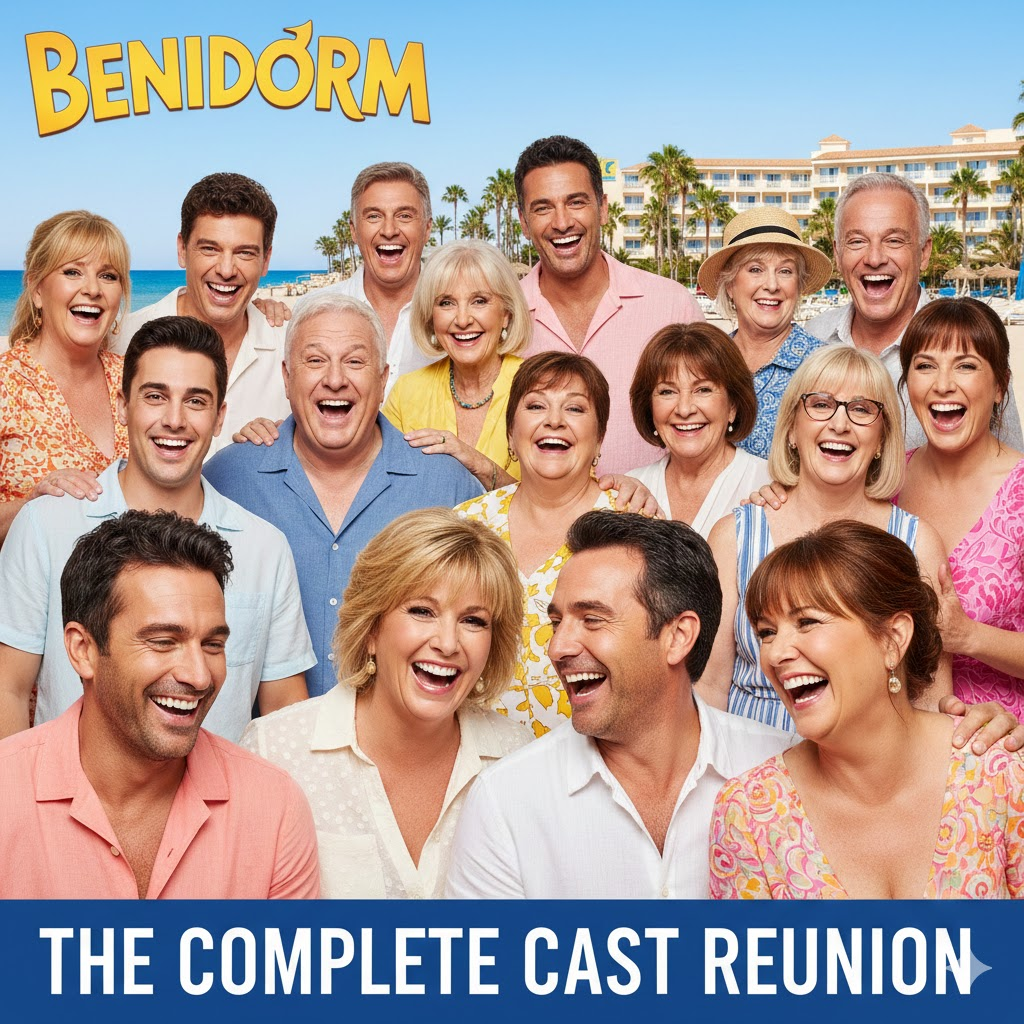
The cast of Benidorm has been a defining feature of British comedy since the show first aired in 2007. Set in the bustling Solana Resort in Spain, the sitcom captures the hilarious interactions of British holidaymakers and the resort staff. The unique personalities and quirks of the characters, portrayed by a talented ensemble, have kept viewers entertained for over a decade, cementing the show’s place in UK television history.
Fans have long been interested in the cast of Benidorm, from the original series to the final season in 2018. Each actor contributed to the series’ humour and charm, creating memorable moments that continue to resonate with audiences. From iconic lead roles to quirky supporting characters, the cast brought the vibrant world of Benidorm to life with energy, comedic timing, and authenticity.
Original Cast of Benidorm
The original cast of Benidorm included some of the most memorable and enduring characters in British sitcom history. Jake Canuso played Mateo, the charming and mischievous waiter whose antics quickly became a fan favourite. Janine Duvitski starred as Jacqueline Stewart, offering witty and relatable comedic timing, while Steve Pemberton portrayed Mick Garvey, the well-meaning but hapless family man constantly caught in awkward situations.
Other original cast members included Kenny Ireland as Donald Stewart, Sheila Reid as Madge Harvey, Siobhan Finneran as Janice Garvey, Tony Maudsley as Kenneth Du Beke, and Johnny Vegas as Geoff Maltby. Each actor’s performance set the standard for humour and character depth in the series, and their chemistry ensured that audiences became invested in both the storylines and the characters themselves.
Evolution of the Cast Across the Series
Over the ten seasons of Benidorm, the cast evolved to keep the series fresh and engaging. While some original characters remained, new actors joined to introduce exciting storylines and interactions. This careful balance between returning favourites and fresh faces helped maintain audience interest and allowed the writers to explore different aspects of holiday resort life.
Series six onwards saw notable additions to the cast, bringing diversity and fresh dynamics to the ensemble. Fans were often intrigued by how long-term characters adapted to these changes, with new cast members like Adam Gillen’s Liam and other supporting roles enhancing the storytelling. The evolution of the cast of Benidorm ensured that each series offered unique humour and memorable moments.
Characters and Their Stories
Each member of the cast of Benidorm played a distinct role in bringing the resort’s community to life. Mateo, with his charm and occasional mischief, was central to many comedic situations, while Jacqueline Stewart’s sharp humour added wit and perspective to the holidaymakers’ escapades. Mick Garvey’s hapless nature provided relatable comedy for the audience, often placing him in awkward yet endearing situations.
Secondary characters also contributed significantly to the show’s charm. Noreen Maltby, Les/Lesley, and other recurring characters offered variety and depth, enriching the storylines and giving viewers new comedic experiences. Fans often revisit episodes for these memorable interactions, showing how the cast of Benidorm created enduring humour through carefully developed personalities and relationships.
Where Are the Cast Members Now
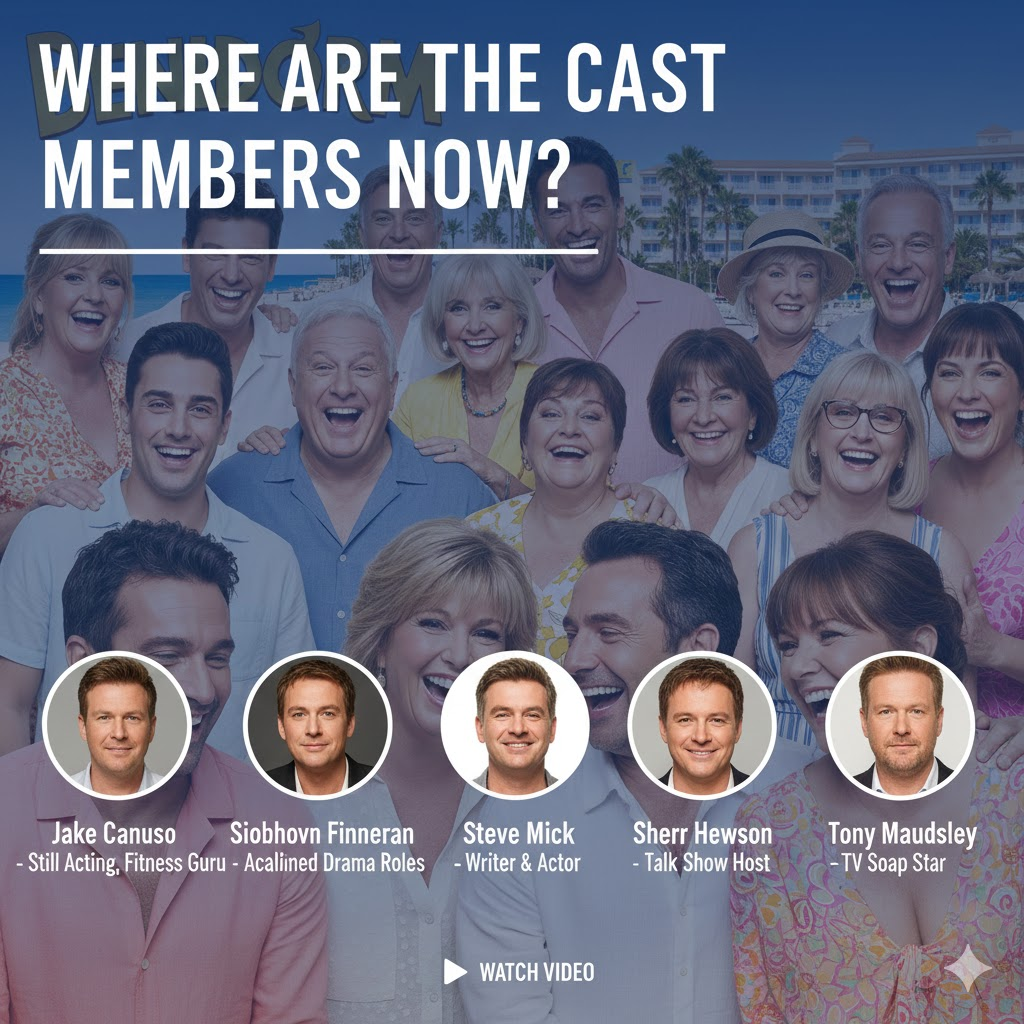
Many fans are curious about where the cast of Benidorm are today. Several actors have continued their careers in television, film, and theatre, while others took time away from acting. Sadly, a few cast members, including Kenny Ireland, passed away, leaving a lasting legacy in British comedy that continues to be celebrated by fans and media alike.
Actors such as Jake Canuso and Tony Maudsley remain active in the entertainment industry, performing on stage and participating in various projects. Others have pursued personal interests or smaller roles, but the impact of their performances on Benidorm remains significant. The enduring popularity of the show ensures that the cast continues to be remembered fondly by audiences worldwide.
Memorable Episodes and Fan-Favourite Seasons
The cast of Benidorm contributed to many iconic episodes that have become fan favourites. From the Christmas specials to the “It Snows in Benidorm” episode, the series delivered a balance of comedy and heartwarming moments. Each season allowed the actors to explore new comedic territory, ensuring that viewers remained engaged and entertained throughout the series.
Seasons four, six, and ten are particularly celebrated for their standout storylines and memorable performances. The chemistry between original and new cast members created fresh humour, keeping the show vibrant and unpredictable. Episodes featuring major character developments and interactions highlight the talent and versatility of the cast of Benidorm, solidifying the show’s legacy.
Fun Facts About the Cast of Benidorm
Behind the scenes, the cast of Benidorm shared numerous memorable experiences that contributed to the show’s charm. From live tours to humorous anecdotes, these stories reveal the strong camaraderie among the actors and their dedication to the series. Some members also reprised their roles in special appearances, highlighting the lasting popularity of the show.
The series offered opportunities for both established and new actors to shine, with each contributing to the overall comedic success. The blend of talent, character-driven storytelling, and memorable performances ensured that the cast of Benidorm remains a beloved ensemble in British television history, fondly remembered by fans of all ages.
Conclusion
The cast of Benidorm left an indelible mark on British comedy, creating characters and moments that continue to delight audiences. From the original actors to later additions, each performer brought humour, charm, and relatability to the series. The legacy of the cast of Benidorm endures through reruns, fan discussions, and the lasting affection for these iconic characters.
The show’s combination of humour, heart, and unforgettable performances ensures that the cast of Benidorm remains celebrated long after the series ended. Fans continue to explore the careers of the actors and revisit their favourite episodes, proving that the impact of this talented ensemble is both enduring and significant.
FAQs
Who are the cast of Benidorm?
The cast of Benidorm includes both original and later actors who portrayed holidaymakers and staff at Solana Resort. Key members include Jake Canuso, Janine Duvitski, Steve Pemberton, Sheila Reid, and Tony Maudsley.
Where are the cast of Benidorm now?
Several cast members continue acting in TV, film, or theatre, while others have retired or pursued personal projects. Some, like Kenny Ireland, have sadly passed away.
What happened to the original cast of Benidorm?
Original members stayed for varying periods. Many returned for multiple series, while others left due to personal or professional reasons.
Who are the new cast members of Benidorm?
New actors joined in later series to introduce fresh dynamics and storylines, ensuring that the show remained engaging across its ten-season run.
Which cast members of Benidorm have died?
Kenny Ireland, who played Donald Stewart, is among the cast members who passed away, leaving a lasting legacy in the show.
You May Also Read