The world of dental care is evolving rapidly. Traditional methods of diagnosis and treatment are now being enhanced by artificial intelligence (AI), and one of the leading innovations in this space is Nerovet AI Dental. This technology is designed to assist dental professionals in diagnostics, treatment planning, imaging analysis, and patient management. In this article, we will explore how Nerovet AI Dental works, its benefits, practical applications, and what patients and dental clinics need to know.
What is Nerovet AI Dental?
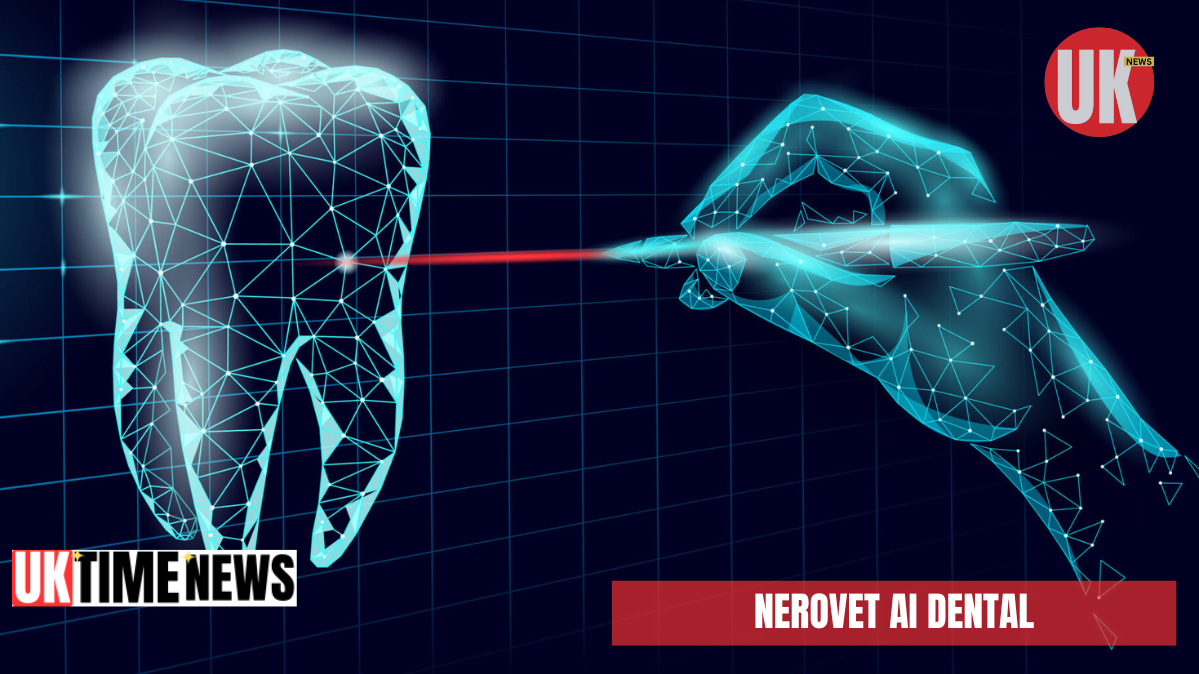
Nerovet AI Dental is a platform that uses AI-driven tools to enhance dental care. By leveraging machine learning, predictive analytics, and image recognition, it allows dentists to make more accurate and efficient decisions.
Some of the main features include:
- Imaging analysis: Evaluation of dental X-rays, CBCT scans, and intraoral photographs.
- Predictive modeling: Estimating risks of cavities or gum disease.
- Treatment planning: Assisting in implant placement, orthodontic alignment, and cosmetic procedures.
- Workflow support: Automating appointment reminders and record-keeping.
Nerovet AI Dental does not replace dentists but provides a powerful “second set of eyes,” ensuring better precision and efficiency.

Why AI Matters in Dentistry
Early Detection and Prevention
AI can detect early signs of dental problems that might be missed by the human eye. This allows dentists to provide preventive care, reducing the need for extensive treatments later.
Efficiency and Accuracy
With AI assistance, dental imaging can be analyzed faster and more consistently. This reduces errors and allows dentists to spend more time on patient care.
Improved Patient Communication
AI visualizations help patients understand their dental condition better. Showing flagged areas or treatment simulations increases trust and engagement.
How Nerovet AI Dental Works
- Data Input: The system uses dental images (X-rays, CBCT scans, intraoral photos) and patient history.
- Processing: Machine learning models analyze patterns, such as early cavities, gum disease, or root fractures.
- Output: The AI highlights areas of concern, suggests treatment options, and predicts future risks.
- Integration: Dentists review AI findings, discuss them with patients, and make final decisions.
- Continuous Learning: The AI improves its accuracy over time as it processes more data.
Key Applications
Diagnostic Support
- Detecting cavities early.
- Identifying gum disease and bone loss.
- Planning implant placement accurately.
- Simulating orthodontic treatments.
- Cosmetic dentistry planning.
Workflow and Patient Experience
- Automated scheduling and reminders.
- Patient education through visual overlays.
- Personalized preventive care recommendations.
Practice Management
- Standardized diagnostics for consistency.
- Increased efficiency and faster report generation.
- Data-driven insights for improved outcomes.
Benefits
For Patients
- Early detection of problems.
- Personalized treatment plans.
- Improved understanding of dental conditions.
- Reduced treatment time and fewer visits.
For Clinics
- Better diagnostic accuracy.
- Enhanced efficiency and patient satisfaction.
- Competitive advantage in the dental market.
- Potential cost savings from early interventions.
Limitations and Considerations
While promising, AI in dentistry has challenges:
- Data privacy: Patient information must be secure and compliant with regulations.
- Over-reliance: AI is a tool; final decisions are made by the dentist.
- Costs: Upfront investment for AI tools may be high.
- Bias: AI models may not be equally accurate for all demographics.
- Patient trust: Clear communication about AI use is essential.
Implementing Nerovet AI Dental in a Clinic
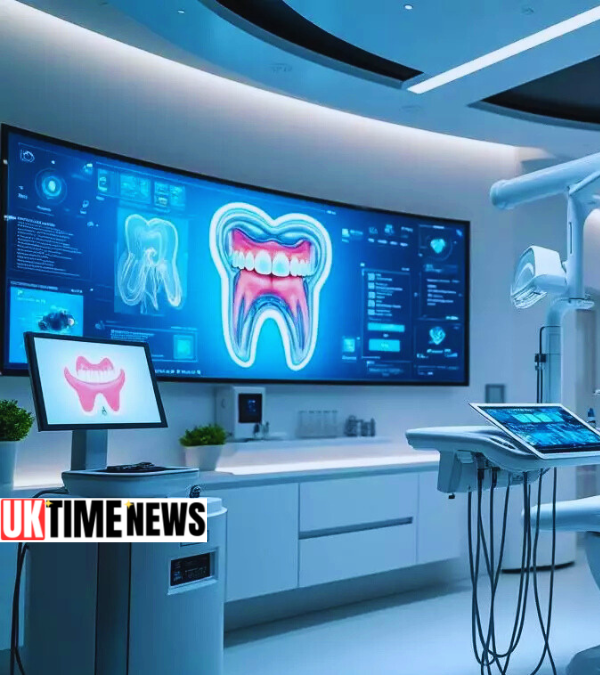
- Digital infrastructure: High-quality imaging tools are required.
- Data integration: Patient records must be accessible and compatible.
- Staff training: Dentists and staff must understand how to interpret AI results.
- Patient communication: Explaining AI’s role builds trust.
- Workflow redesign: Integrating AI may change scheduling and treatment processes.
- Monitoring outcomes: Clinics should track improvements in efficiency and patient care.
What Patients Should Know
- AI assists the dentist; it does not replace human judgment.
- Ask how the AI tool benefits your treatment plan.
- Understand how your data and images are protected.
- Be open to visual simulations and early detection insights.
- Discuss any additional costs related to AI diagnostics.
Future Trends
- Real-time diagnostics during appointments.
- Remote screenings and teledentistry support.
- Predictive lifetime oral health profiles.
- Integration with medical records for holistic health assessments.
- AI-assisted robotic procedures in the long term.
FAQ
1. Is Nerovet AI Dental safe?
Yes, it is safe when used by licensed dental professionals. The dentist always makes the final decision.
2. Will it increase my treatment costs?
Costs vary. Early detection may reduce long-term expenses, but some clinics may charge for AI-assisted diagnostics.
3. Can the AI make mistakes?
Yes. Accuracy depends on data quality and model training. Dentists review AI results to ensure correctness.
4. How is my data protected?
Patient information must comply with privacy laws (HIPAA, GDPR). Clinics should encrypt and securely store data.
5. How can I know if my dentist uses AI?
Ask directly if they use AI tools like Nerovet AI Dental and how it impacts your care. Transparency is key.
Conclusion
Nerovet AI Dental is transforming dental care by improving diagnostic accuracy, efficiency, and patient engagement. While it is not a replacement for dentists, it provides invaluable support in detecting issues early, planning treatments, and enhancing patient communication. Both patients and clinics stand to benefit from AI-assisted dentistry, provided it is implemented responsibly and ethically.