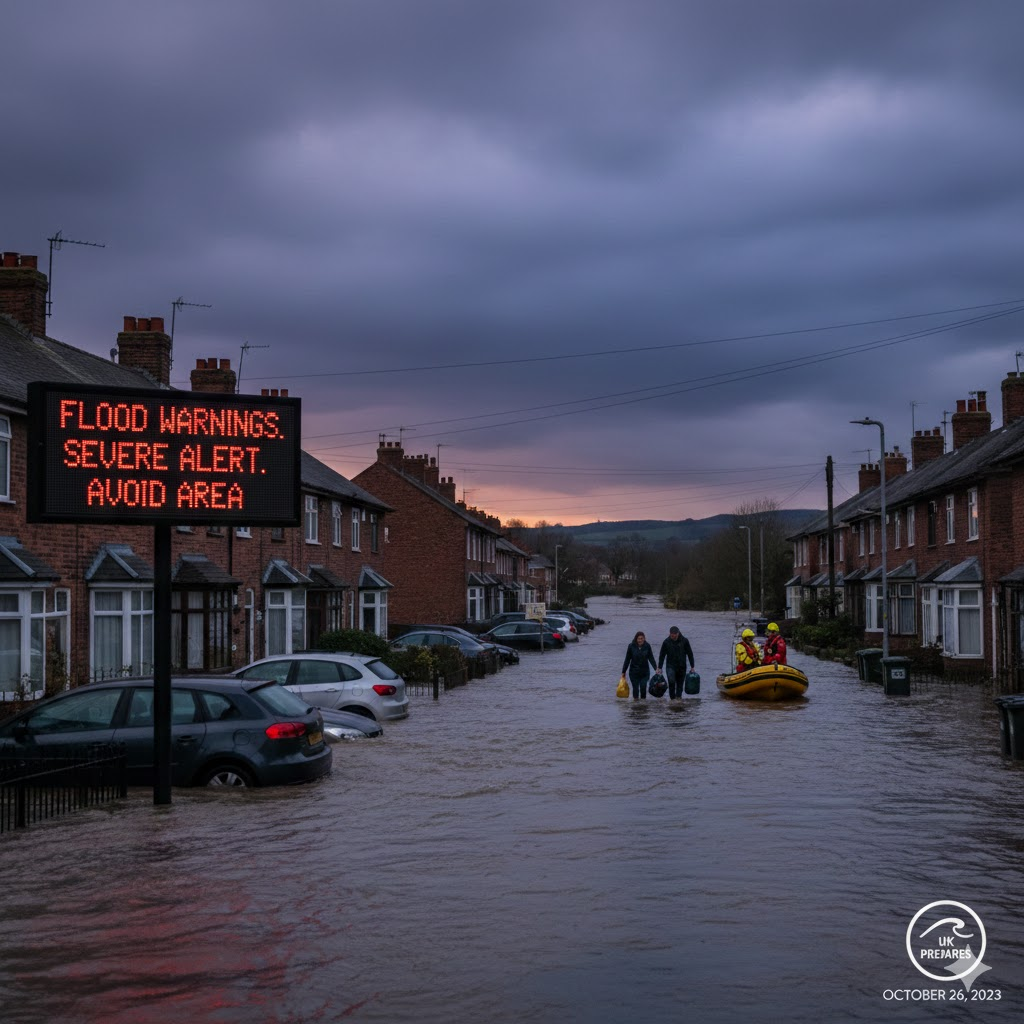
What Are Flood Warnings
Flood warnings are official alerts issued by government agencies to notify the public about possible or ongoing flooding. These warnings are designed to inform residents and businesses about the risks posed by rivers, coasts, and surface water areas during periods of heavy rainfall or storms. Understanding flood warnings is essential to protect life and property across flood-prone areas in the UK.
Flood warnings can be of different types depending on the severity of the threat. They include standard flood warnings, severe flood warnings, and flash flood warnings, each signalling a different level of urgency. Agencies such as the Environment Agency, Natural Resources Wales, and SEPA in Scotland issue these alerts to ensure timely action can be taken.
How to Check Flood Warnings in the UK
Checking flood warnings in the UK is straightforward with multiple official resources available online. The Environment Agency provides an interactive flood warning map, showing river levels, coastal surges, and affected areas. Residents can sign up for notifications via email or mobile alerts to stay informed about flood warnings near me and take immediate precautionary measures.
The Met Office also provides weather warnings that often accompany flood warnings, particularly during heavy rain or thunderstorms. Scotland and Wales have their own alert systems through SEPA and NRW, ensuring that regional flood warnings are issued accurately. Regularly monitoring these sources ensures that flood warnings in the UK are never missed, helping communities respond promptly.
Current Flood Warnings Across the UK
Flood warnings in the UK are frequently updated to reflect changing weather conditions. Today, many regions face potential flooding risks due to persistent rainfall, rising river levels, and storm surges. Areas in England, including Devon, Somerset, Kent, Norfolk, and Lincolnshire, are under active flood warnings, with local authorities urging residents to remain vigilant and prepare for rising waters.
Wales is also facing flood warnings issued by Natural Resources Wales, particularly in river valleys and low-lying areas. In Scotland, SEPA flood warnings highlight locations prone to flash flooding and high river levels. Urban centres such as Manchester, Sheffield, and Hebden Bridge are regularly affected by river flooding, making it vital for residents to follow flood warnings carefully to avoid disruption and ensure safety.
Understanding the Maps and Alerts
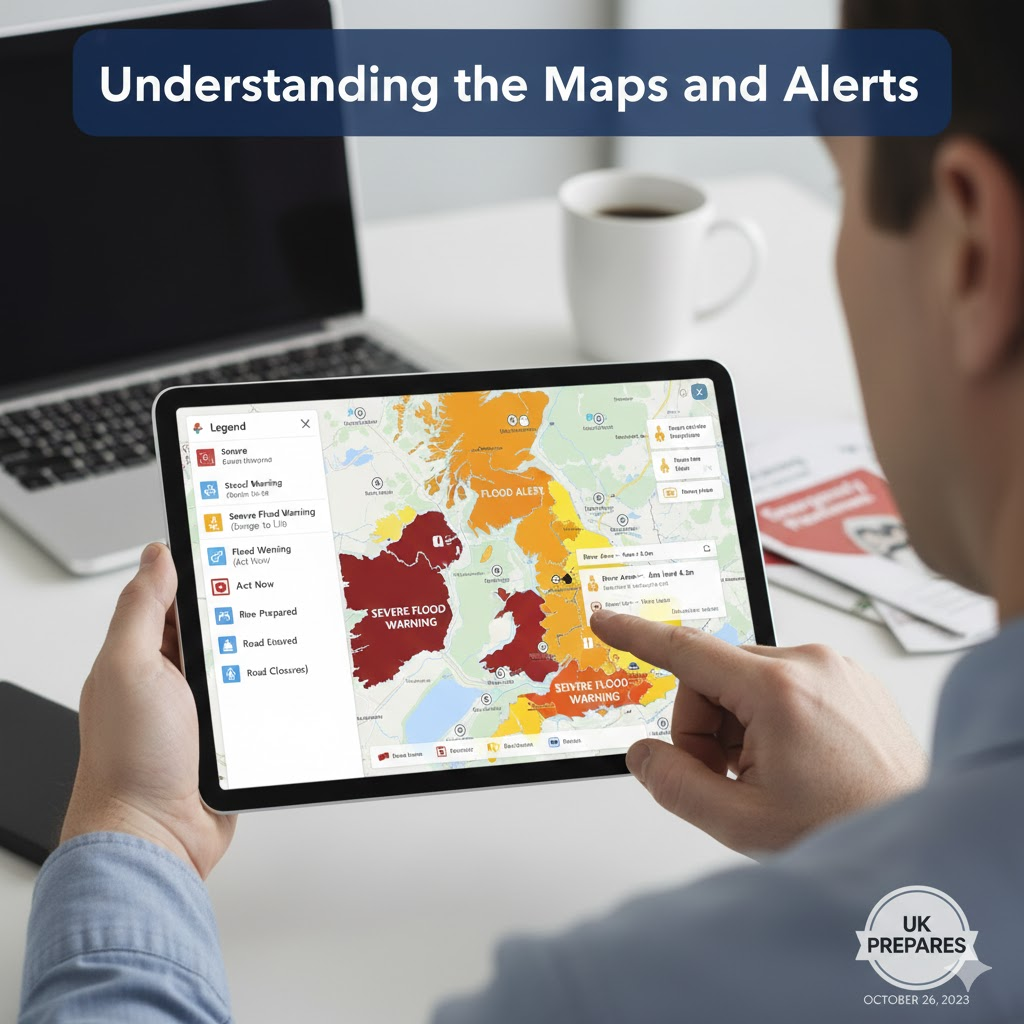
Flood warning maps are crucial tools that help communities visualise areas at risk. The Environment Agency flood warning map displays alerts for rivers, coasts, and flood-prone regions across the UK. Colour-coded levels indicate the severity, from advisory alerts to emergency flood warnings, allowing residents to interpret potential impacts effectively.
Using these maps, including EA flood warnings maps and the UK flood warning map, enables families and businesses to plan evacuation routes and secure property. Official websites and mobile apps are regularly updated with the latest flood warnings, giving residents real-time information about water levels, areas at risk, and the urgency of the situation. Understanding flood warnings through maps improves preparedness and response during adverse weather events.
Safety Precautions During Flood Warnings
Taking safety measures during flood warnings is essential to prevent harm and reduce damage. Residents should move valuables to higher ground, secure windows and doors, and avoid flood-prone roads. Evacuation plans should be prepared in advance, and official advice from local authorities must be followed strictly to ensure safety.
Travel during flood warnings should be avoided wherever possible. Flash flood warnings indicate sudden and severe flooding that can endanger lives. Coastal areas may experience tidal surges, while urban centres are vulnerable to surface water flooding. Observing flood warnings for regions like Devon, Norfolk, or Manchester can help residents plan safely, maintain awareness, and reduce the impact of flooding on daily life.
How to Stay Updated on Flood Warnings
Staying informed about flood warnings is key to responding effectively. Residents can subscribe to Environment Agency flood warning emails, follow Met Office weather updates, and use SEPA and NRW notification systems. Mobile apps provide live flood warnings near me, ensuring alerts are received promptly wherever users are located.
Local councils and official social media channels also share updates on flood warnings. Combining these resources with interactive maps and community alerts allows residents to monitor conditions constantly. Proactive monitoring of flood warnings in the UK empowers individuals to protect lives, property, and maintain peace of mind, particularly during periods of heavy rain or high river levels.
Flood Warnings for Travel and Coastal Areas
Flood warnings are particularly important for travellers in the UK, as many roads and coastal areas can be affected during severe weather. Travel warnings related to flooding help prevent accidents and ensure that motorists avoid high-risk zones. Areas like Norfolk, Devon, and Somerset frequently face both river and coastal flood warnings, requiring careful travel planning.
For coastal communities, flood warnings often include tidal surges and high sea levels, which can impact homes and infrastructure. Monitoring flood warnings before planning trips or outdoor activities is essential, while flash flood warnings provide immediate alerts during unexpected heavy rainfall events. Staying aware of flood warnings ensures that residents and visitors alike remain safe across the UK.
Conclusion
Flood warnings in the UK are vital tools for safeguarding lives, property, and communities. By regularly monitoring Environment Agency flood warnings, Met Office updates, and regional alerts from SEPA and NRW, residents can respond effectively to heavy rainfall, river surges, and coastal flooding. Awareness, preparation, and timely action make a significant difference in reducing the impact of flooding across England, Wales, and Scotland.
You May Also Read