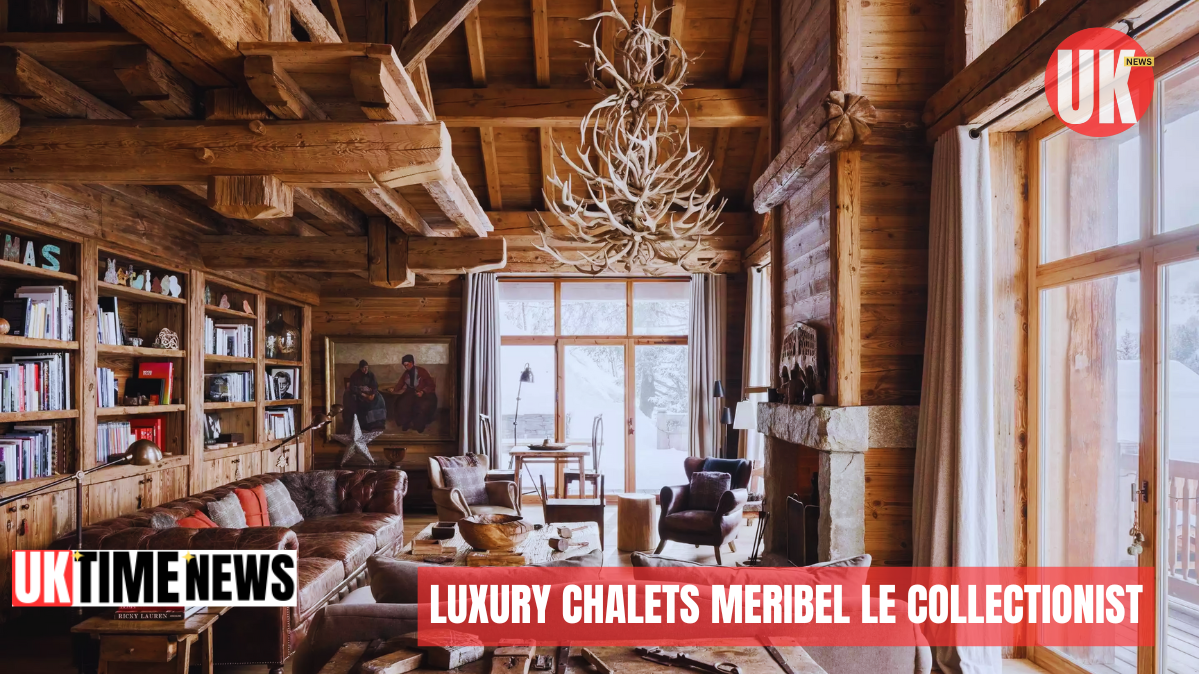
When it comes to skiing in style and comfort, few destinations rival Méribel in the French Alps. Nestled in the heart of Les Trois Vallées—the world’s largest interconnected ski area—Méribel combines breathtaking alpine scenery with top-tier accommodations. For those seeking a unique, indulgent experience, luxury chalets meribel le collectionist are the perfect choice.
These chalets offer ski-in/ski-out convenience, private spas, bespoke concierge services, and stunning alpine architecture. In this guide, we’ll explore why Méribel is the ideal destination, what makes luxury chalets meribel le collectionist so special, how to choose one, costs, tips for an unforgettable stay, and a helpful FAQ.
Why Méribel is Perfect for Luxury Chalets
Méribel is often called the jewel of Les Trois Vallées. It provides the perfect setting for luxury chalets meribel le collectionist. Key reasons include:
- World-Class Skiing: With over 600 km of interconnected slopes, Méribel offers terrain for all skill levels. Skiers can enjoy gentle slopes or challenge themselves on expert runs.
- Alpine Village Charm: Traditional timber-and-stone chalets blend with modern luxury, giving a cozy yet sophisticated feel.
- Accessibility: Méribel is reachable from Geneva, Lyon, and Chambéry airports and major train stations.
- Year-Round Activities: From skiing in winter to hiking, biking, and paragliding in summer, Méribel caters to all seasons.
Choosing Méribel ensures your stay at luxury chalets meribel le collectionist combines scenic beauty, convenience, and adventure.
What Makes Le Collectionist Stand Out?
Le Collectionist is a premier luxury travel brand specializing in high-end chalets and villas worldwide. Booking luxury chalets meribel le collectionist guarantees an experience beyond standard accommodation.
Key features of Le Collectionist:
- Curated Properties: Only the finest chalets make it into the collection.
- Bespoke Concierge Services: Private chefs, ski instructors, spa treatments, and local guides.
- Global Expertise: Le Collectionist delivers unmatched service across premier destinations.
With Le Collectionist, luxury chalets meribel le collectionist are more than a stay—they are a curated alpine experience.
Features of Luxury Chalets Méribel Le Collectionist
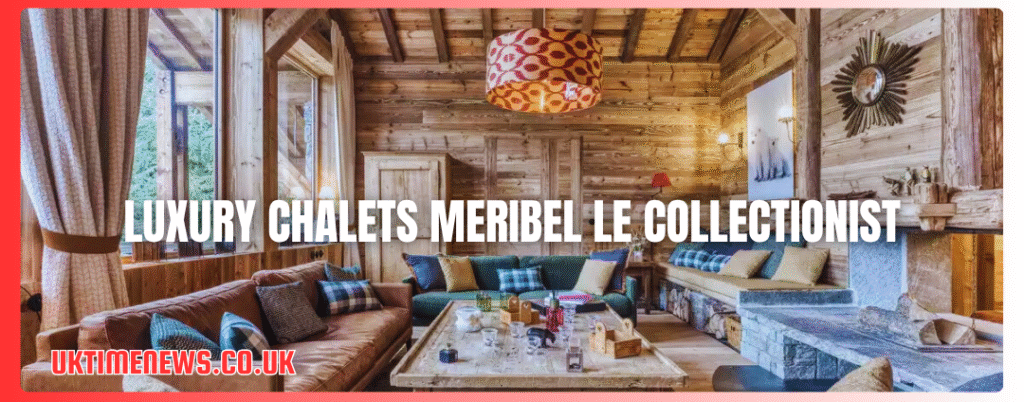
Staying at luxury chalets meribel le collectionist means enjoying the highest level of comfort, style, and convenience.
Ski-In/Ski-Out Access
Many chalets provide direct access to slopes. For avid skiers, this is a major convenience, letting you enjoy the mountains from your doorstep.
Private Wellness Facilities
Chalets often include indoor pools, hammams, saunas, and massage rooms. After skiing, these amenities offer unmatched relaxation.
Alpine Design & Panoramic Views
Expect spacious interiors with wood beams, stone fireplaces, and floor-to-ceiling windows showcasing the French Alps.
Gourmet Kitchens and Private Chefs
Fully equipped kitchens with the option of a private chef ensure that dining is an unforgettable part of your stay.
Entertainment & Comfort
From cinema rooms to game areas, terraces, and heated boot rooms, luxury chalets meribel le collectionist provide endless comfort and entertainment.
Personalized Concierge
The concierge arranges everything from ski instructors to luxury transfers, ensuring every detail is handled.
Choosing the Right Chalet
When selecting luxury chalets meribel le collectionist, consider:
- Group Size: Chalets accommodate from 6 to 12+ guests.
- Location: Village center vs. mountainside seclusion.
- Slope Access vs. Views: Ski-in/ski-out convenience vs. panoramic scenery.
- Amenities: Pools, spa, cinema, private chef.
- Season & Snow: Peak season vs. late winter for better weather and lower crowds.
Costs and Booking Tips
Expect premium pricing for luxury chalets meribel le collectionist:
- Price Range: From €10,000 per week to over €50,000 depending on chalet size, season, and amenities.
- Peak Periods: Christmas, New Year, and school holidays require early booking.
- Off-Peak Savings: Late winter or early spring offers lower rates and sunny days.
- Advance Booking: Book months in advance to ensure availability.
Why Choose a Chalet Over a Hotel?
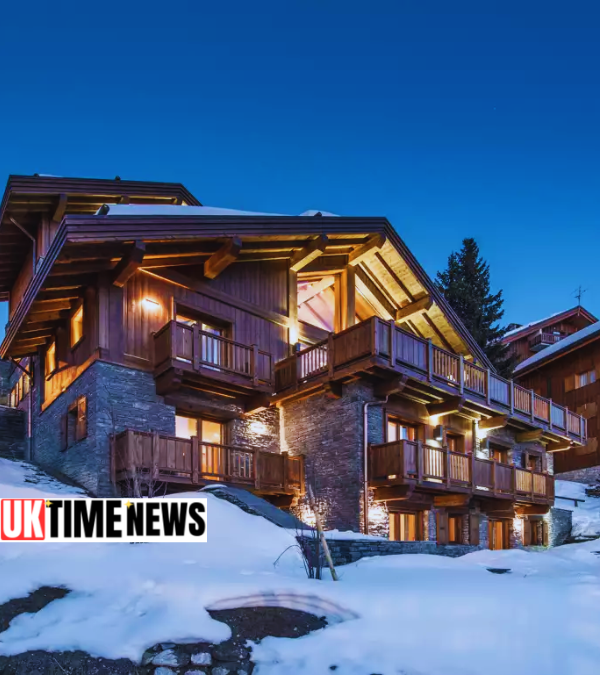
Many ask if luxury chalets meribel le collectionist are worth the investment compared to high-end hotels. The answer is yes:
- Privacy & Space: Multiple bedrooms, living areas, and outdoor terraces.
- Tailored Service: Private chefs, wellness, and concierge services.
- Ski Convenience: Direct access to slopes and equipment storage.
- Social Experience: Perfect for families or groups wanting shared luxury.
Tips for an Exceptional Stay
- Communicate Preferences: Dietary needs, childcare, or activities should be shared early.
- Plan Transfers: Arrange private transport for seamless arrival and departure.
- Local Advice: Ask your concierge for hidden gems, restaurants, and hiking trails.
- Pack Essentials: Ski gear, goggles, sunscreen, and personal items.
- Check Booking Terms: Review cancellation policies and seasonal snow conditions.
- Consider Summer Visits: Chalets are ideal for hiking, biking, and alpine leisure.
FAQ
1. When is the best time to book a luxury chalet in Méribel?
Winter (December–April) is ideal for skiing; late winter offers sunny days and quieter slopes. Summer is great for hiking and mountain activities.
2. How far in advance should I book luxury chalets meribel le collectionist?
For peak periods like Christmas and school holidays, book 6–12 months in advance.
3. What services are included?
Expect private chefs, ski instructors, spa treatments, concierge services, and luxury transfers.
4. Are chalets worth the cost compared to hotels?
Yes, chalets offer more privacy, space, and personalized service than most hotels.
5. What is the price range for luxury chalets meribel le collectionist?
Starting around €10,000 per week, prices can rise depending on size, season, and amenities.
Conclusion
Luxury chalets meribel le collectionist offer the ultimate alpine experience, blending adventure, comfort, and bespoke service. From ski-in/ski-out convenience and gourmet dining to wellness amenities and tailored concierge support, every detail is designed for an unforgettable stay. Whether visiting in winter for skiing or in summer for alpine leisure, these chalets provide the perfect blend of luxury, privacy, and alpine charm.
You May Also Read