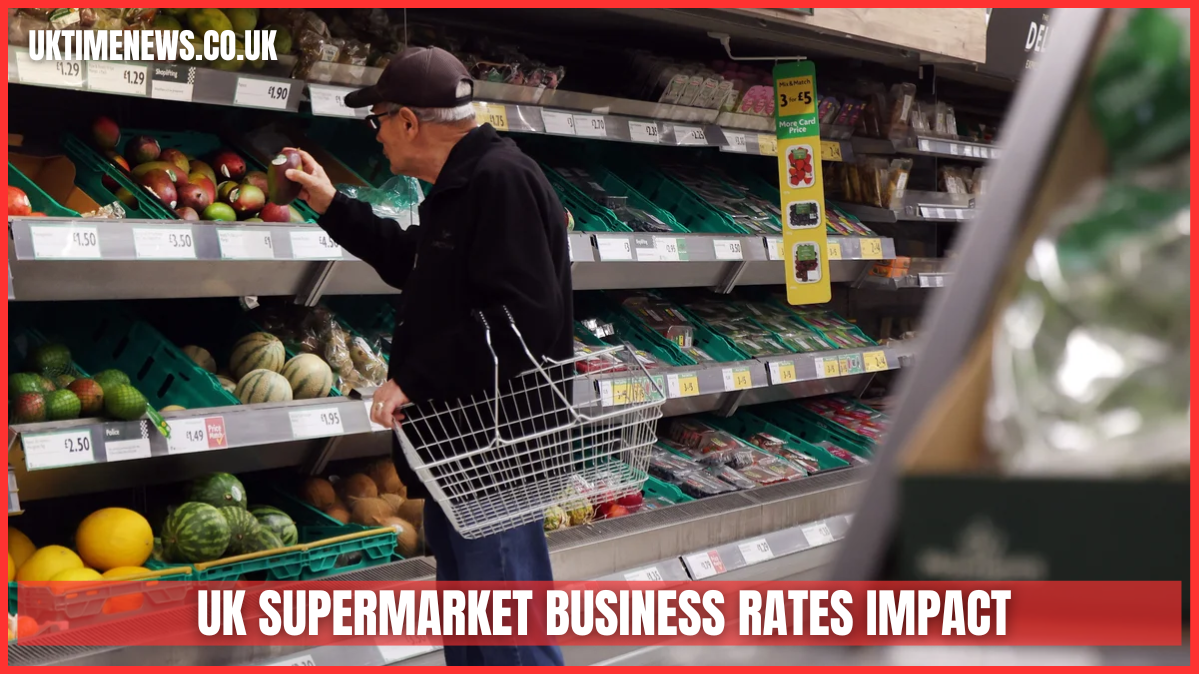
In recent years, the UK supermarket business rates impact has become a major concern for retailers, policymakers, and consumers alike. Business rates are a significant cost for supermarkets, and changes to the system can influence store profitability, food prices, and the vibrancy of local high streets. This article explores the scope of the UK supermarket business rates impact, how it affects major supermarket chains, and why it matters to communities across the country.
Understanding Business Rates in the UK
To fully grasp the UK supermarket business rates impact, it’s important to understand what business rates are and how they are calculated.
Business rates, also known as non-domestic rates, are taxes imposed on commercial properties by local councils. The rates are based on the “rateable value” of a property, which is the estimated rental value if the property were leased on the open market. This value is multiplied by a government-set “multiplier” to calculate the annual bill. For supermarkets, which often occupy large properties in prime locations, business rates can be hundreds of thousands of pounds annually.
Business rates are designed to fund local services such as waste collection, policing, and infrastructure. However, for large supermarkets, these costs represent a fixed expense that can significantly affect operating margins. This makes the UK supermarket business rates impact a topic of real concern in the retail sector.
Recent Changes and Reforms
The current attention around the UK supermarket business rates impact is largely due to recent reforms and proposals aimed at restructuring the business rates system.
1. Higher Rates for Large Properties
From April 2026, commercial properties with a rateable value above £500,000 will face a higher business rates surcharge. This measure is expected to generate hundreds of millions in additional tax revenue. Large supermarkets, which often occupy prime, high-value properties, will be the most affected.
2. Support for Smaller Businesses
Revenue generated from the higher rates on large properties is intended to fund permanent rate relief for smaller retailers, hospitality venues, and leisure businesses with properties under £500,000. This initiative aims to create a fairer business landscape and support local high streets.
3. Revaluation of Properties
The government recently conducted a revaluation of commercial properties using 2021 market values. Some large supermarkets saw their rateable values decrease, resulting in temporary savings. However, these adjustments will not completely offset the impact of the new surcharge for the largest chains.
Scale of the UK Supermarket Business Rates Impact
The UK supermarket business rates impact is substantial. Large chains like Tesco, Sainsbury’s, and Asda could see significant increases in their operating costs.
Store Closures
Experts estimate that over 100 large supermarket stores may be at risk of becoming unprofitable due to higher rates. For example, some analyses suggest that 50 Sainsbury’s stores and dozens of Tesco outlets could face profitability challenges if the reforms are implemented as planned. Conversely, discount chains like Aldi and Lidl are less affected because most of their properties fall below the £500,000 threshold.
Rising Operating Costs
The increase in business rates could add more than £350 million annually to the retail sector’s costs. Supermarkets operate on slim profit margins, meaning that these additional fixed costs could significantly affect their financial performance.
Spill-Over Effects
The UK supermarket business rates impact may not only affect retailers’ bottom lines. Higher costs could be passed on to consumers, leading to increased food prices and contributing to inflation. Additionally, if large supermarkets reduce their footprint or close stores, local high streets may experience reduced footfall, which can harm smaller retailers.
Responses from Retailers and the Government

Given the potential scale of the UK supermarket business rates impact, reactions have been strong on both sides.
Retailers’ Concerns
Many supermarket executives, through the British Retail Consortium (BRC), have lobbied the government to reconsider or exempt large supermarkets from the surcharge. Executives argue that the additional costs could force store closures, reduce hiring, and negatively impact communities where large stores act as anchor tenants.
Government Position
The government defends the reforms, emphasizing fairness and support for small businesses. By targeting large properties, the government aims to redistribute the tax burden while helping local retailers. However, reports suggest discussions are ongoing about potential exemptions for supermarkets due to pressure from industry leaders.
Broader Economic and Social Impacts
The UK supermarket business rates impact extends beyond individual retailers, affecting employment, communities, and local economies.
Employment Risks
Supermarkets are major employers in many towns. Higher rates could force reductions in staff or slower hiring, impacting local employment.
High Street Vitality
Large supermarkets serve as anchors for high streets, attracting shoppers who then visit surrounding smaller businesses. Store closures or downsizing could reduce footfall and threaten the viability of local shops.
Consumer Prices
If supermarkets pass increased costs onto consumers, grocery prices could rise. This would exacerbate financial pressure on households already dealing with rising living costs.
Long-Term Tax Fairness
Supporters argue that targeting large properties creates a fairer system, as smaller businesses gain relief. Critics warn that without careful implementation, the surcharge could unintentionally harm communities and reduce investment in high streets.
Challenges and Risks
While reform aims to create fairness, the UK supermarket business rates impact also presents challenges:
- Overburdening large retailers could reduce profitability.
- Passing costs to consumers may provoke backlash.
- High street decline may occur if anchor stores shrink or close.
- Political pressure may alter or delay reforms.
- Competitive inequality may arise, with discount chains benefiting while traditional supermarkets bear the cost.
Why It Matters to Consumers
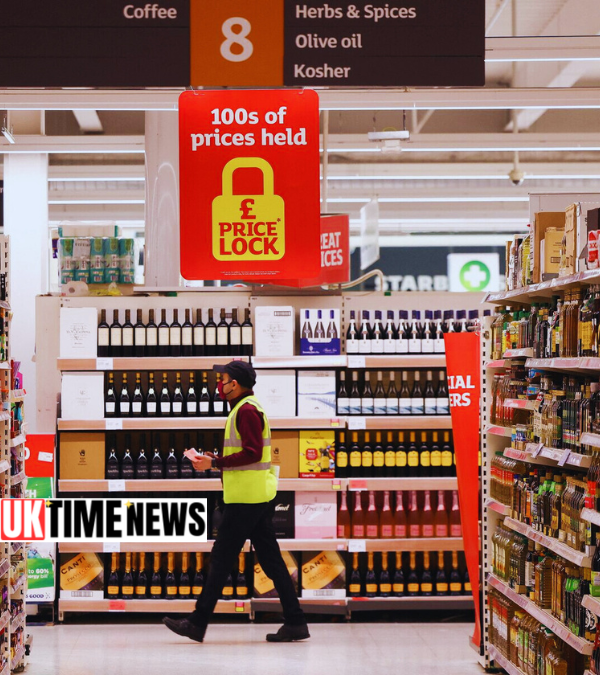
Understanding the UK supermarket business rates impact is crucial for consumers:
- Food affordability: Higher costs for supermarkets may translate into increased prices.
- Local economies: High streets rely on supermarket footfall to support smaller businesses.
- Job security: Employees may face reduced hours or layoffs.
- Community vitality: The presence of large supermarkets helps maintain thriving town centers.
What to Watch Next
Key developments in the UK supermarket business rates impact include:
- Government budget announcements clarifying surcharge implementation.
- Continued lobbying from retailers to mitigate the impact.
- Monitoring of food price trends.
- Effects on high street health and local economies.
- Future revaluations of commercial properties altering which stores are affected.
FAQs: UK Supermarket Business Rates Impact
1. What is the business rates surcharge for supermarkets?
It applies to properties with a rateable value over £500,000, raising taxes to fund relief for smaller businesses.
2. Why are supermarkets concerned?
The surcharge increases fixed costs, threatening profitability and potentially leading to store closures or higher consumer prices.
3. Will small retailers benefit?
Yes, the reforms provide permanent business rate relief for small retailers, hospitality, and leisure businesses.
4. Could food prices rise?
Potentially. Increased rates may be passed on to consumers, affecting grocery bills.
5. Are all supermarkets equally affected?
No. Large-format stores are most affected, while discount chains like Aldi and Lidl are largely exempt due to lower property values.
Conclusion
The UK supermarket business rates impact represents a significant shift in retail taxation. While designed to create fairness and support small businesses, the potential consequences for large supermarkets, high streets, employment, and consumer prices are considerable. How retailers and policymakers respond will determine whether the reforms achieve their intended benefits or inadvertently strain communities and the grocery sector.
You May Also Read