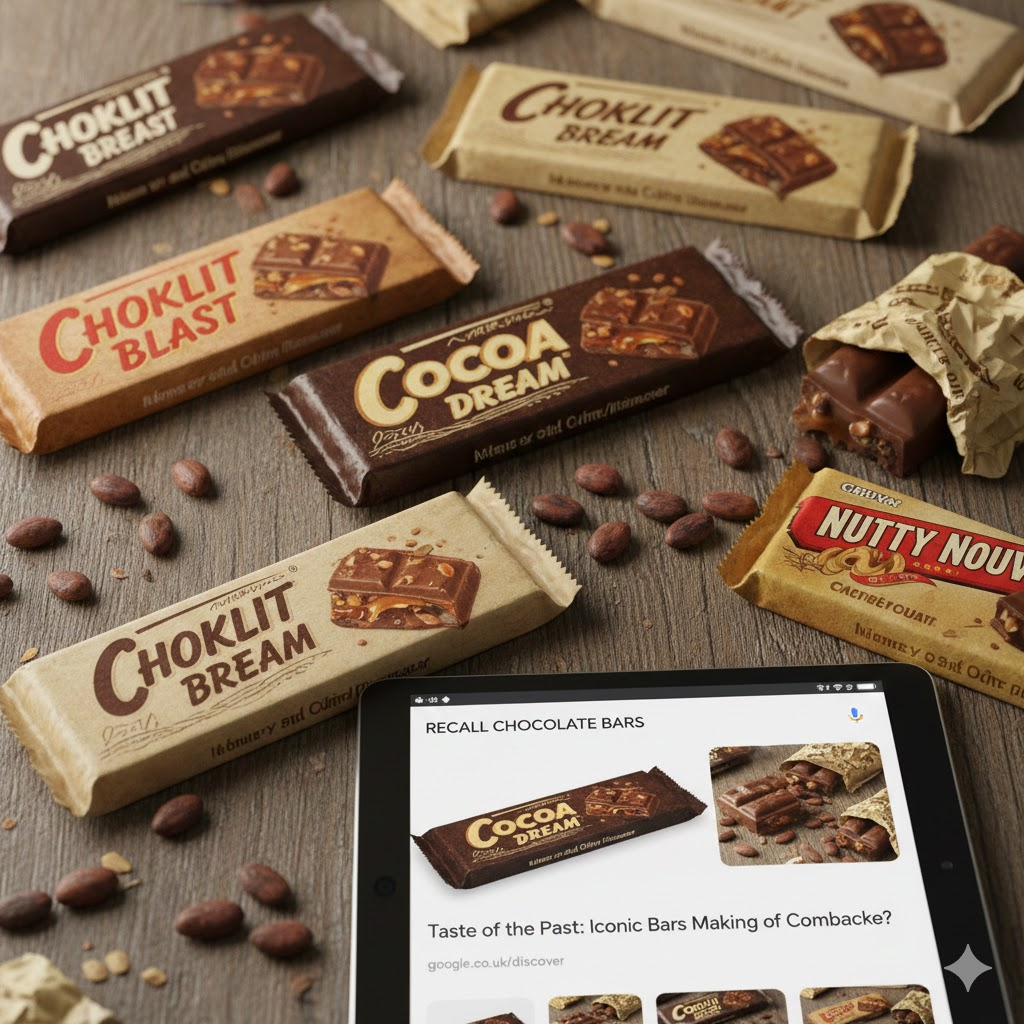
Chocolate is one of the most cherished treats in the UK, enjoyed by people of all ages. However, even the most trusted brands can occasionally face safety issues, leading to recall chocolate bars. These recalls often occur due to undeclared allergens, contamination, or foreign objects in products. Being aware of these recalls is essential to ensure consumer safety and prevent potential health risks.
Understanding the scope and reasons for chocolate bar recalls helps consumers make informed choices. In recent months, several popular brands have issued warnings for products sold across the UK. Knowing how to identify affected bars, respond appropriately, and stay informed can help families and individuals avoid serious allergic reactions or contamination-related illnesses.
What Are Chocolate Bar Recalls and Why Do They Happen
A chocolate bar recall is an official action taken by manufacturers or regulatory authorities when a product is found to pose a health risk. This may include issues such as undeclared nuts, contamination with harmful bacteria like Salmonella, or the presence of foreign objects. Recalls are essential to protect consumers from potential harm and maintain trust in food safety standards.
The reasons behind recall chocolate bars vary, but common causes include mislabelling, incorrect ingredient information, and packaging mistakes. Some chocolate bars may contain allergens that are not listed on the label, which can be life-threatening for those with nut, dairy, or soy allergies. Understanding why these recalls happen helps consumers stay vigilant and brands maintain higher safety standards.
Recent Chocolate Bar Recalls in the UK
Several well-known brands have recently issued recall chocolate bars alerts in the UK. Tony’s Chocolonely recalled specific batches of their Dark Almond Sea Salt and “Everything” bars after small stones were discovered in the product. These alerts were limited to particular lot codes and best-by dates, highlighting the importance of checking labels carefully before consumption.
Peace by Chocolate and NuttyHero also recalled pistachio-containing products due to a potential Salmonella risk. Willy Pete’s Chocolate Company issued a recall of their Almond Despair bars because undeclared almonds were present in the ingredients. These cases illustrate how even high-quality, popular brands can face safety issues, reinforcing the need for consumers to stay updated on recall chocolate bars notices.
How to Identify Recalled Chocolate Bars
Identifying recalled chocolate bars requires careful attention to product details. Consumers should check the brand name, lot codes, and “best by” dates against official recall notices. Websites from the Food Standards Agency, manufacturers, and trusted news sources provide accurate and timely information about products affected by recalls.
Visual inspection is also crucial. Packaging errors, unusual textures, or damaged bars may indicate a potential problem. Staying informed through online alerts, retailer notifications, and official announcements ensures that consumers can take immediate action, helping to prevent illnesses or allergic reactions associated with recall chocolate bars.
What to Do if You Have a Recalled Chocolate Bar
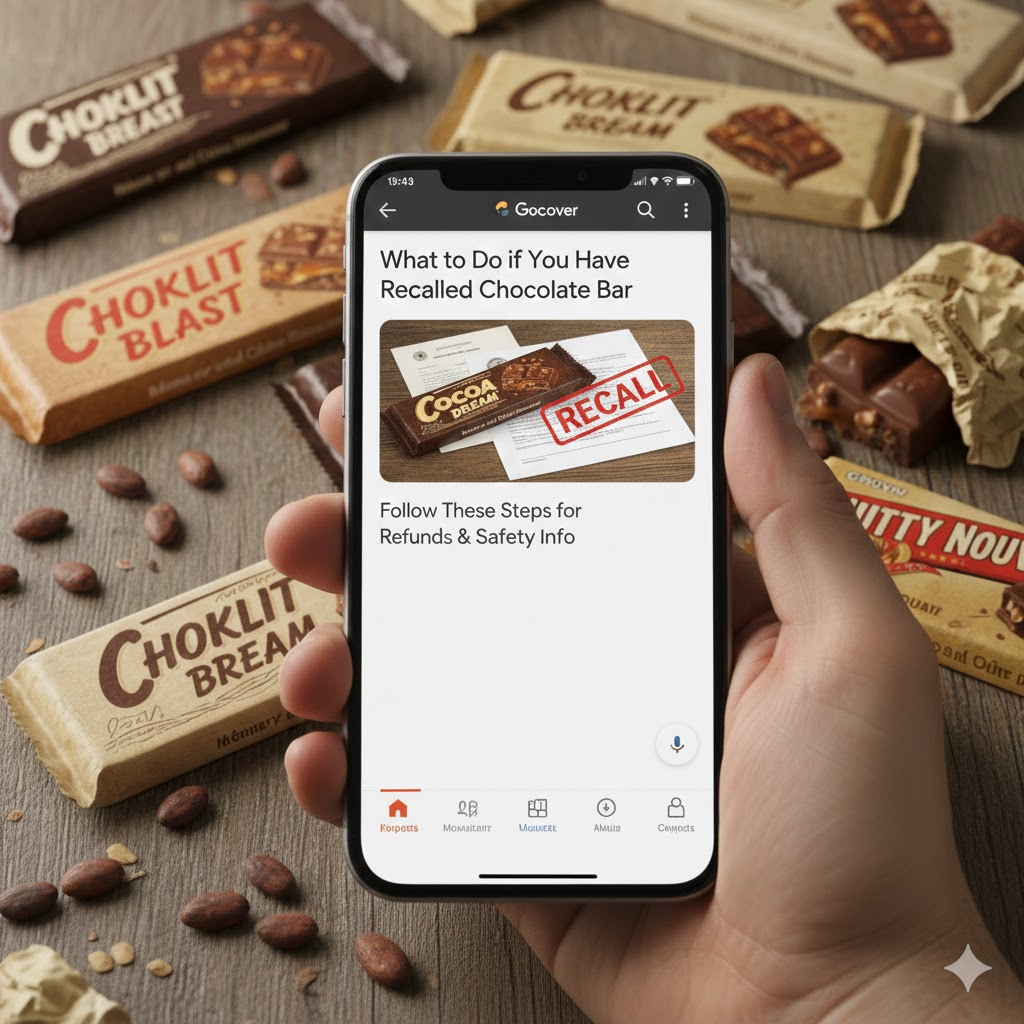
If you discover that you own a recalled chocolate bar, the first step is not to consume it. Returning the product to the retailer for a refund or replacement is recommended. Following the instructions in official recall alerts ensures that potentially dangerous products are removed from circulation efficiently.
It is also important to monitor your health if you have already consumed a recalled chocolate bar. Symptoms of Salmonella infection or allergic reactions require immediate medical attention. By staying aware of recall chocolate bars information, consumers can act quickly to protect themselves and their families from potential risks.
Preventing Chocolate Bar Risks in the Future
Preventing risks associated with chocolate bars begins with careful shopping and label reading. Consumers should always check for allergens, buy from reputable retailers, and stay informed about recent recalls. Subscribing to recall alerts or using apps to monitor food safety updates can significantly reduce the likelihood of encountering unsafe products.
Brands are increasingly implementing stricter quality control measures and better ingredient tracking to ensure that chocolate bars meet safety standards. By remaining proactive and vigilant, consumers can enjoy chocolate safely, avoiding the dangers highlighted by recent recall chocolate bars alerts in the UK.
Conclusion
Awareness of recall chocolate bars is vital for ensuring food safety in the UK. Regularly checking labels, lot codes, and official recall notices can prevent allergic reactions, contamination-related illnesses, and other risks. Staying informed empowers consumers to enjoy their favourite treats confidently while supporting a culture of high safety standards in the confectionery industry.
You May Also Read